
Global Solutions Battery System
Engineered for Real-World Performance
Global Solutions Battery System — Built for Real Routes
We are developing swappable, modular 12V battery packs with air cooling and cloud-based control, designed to help fleets maximise battery utility and lifespan, keeping vehicles productive and earning.
Packs charge off-vehicle while extending their usable life through managed charging protocols and sub-optimal performance detection.
The prototypes and their proven outcomes, detailed thermal and structural analyses, casing evaluation, swap-and-charge workflow development, factory readiness in Kathmandu, establishment of pilot routes, and the performance scoreboard all inform our scaling strategy.
The Problem & Insight
Our target use cases are dominated by known, repeatable routes served by rickshaws/tempos, vehicles reliant on fixed batteries that must charge slowly overnight via the grid.
In many developing regions, unreliable power grids cause slow or incomplete charging, resulting in shorter battery lifespans and increased fleet downtime.
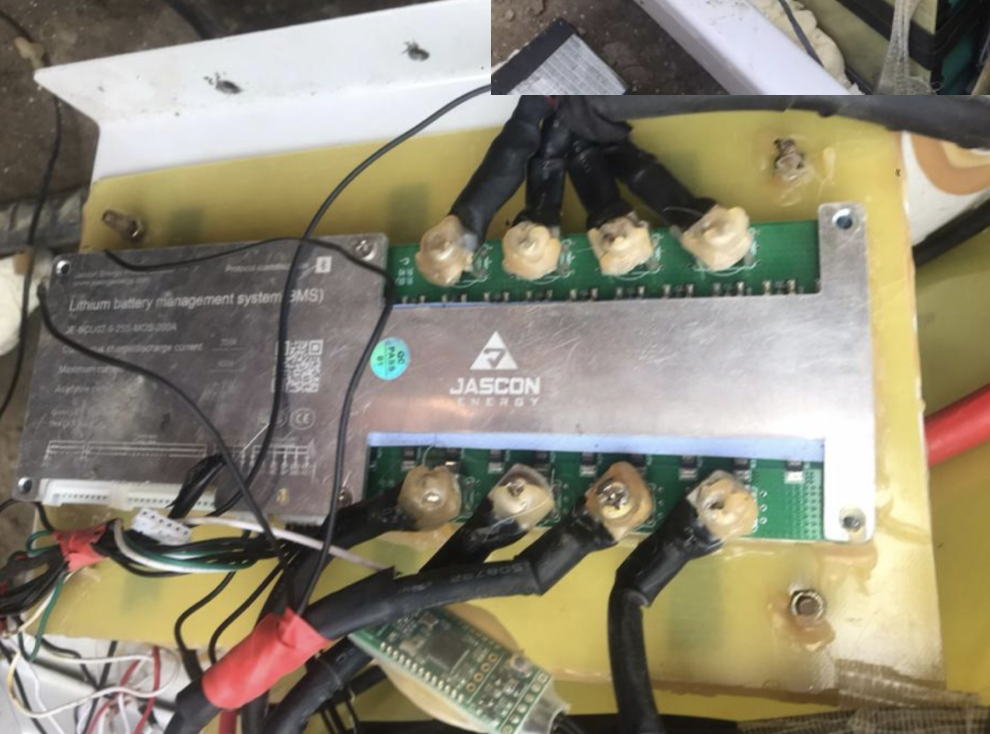
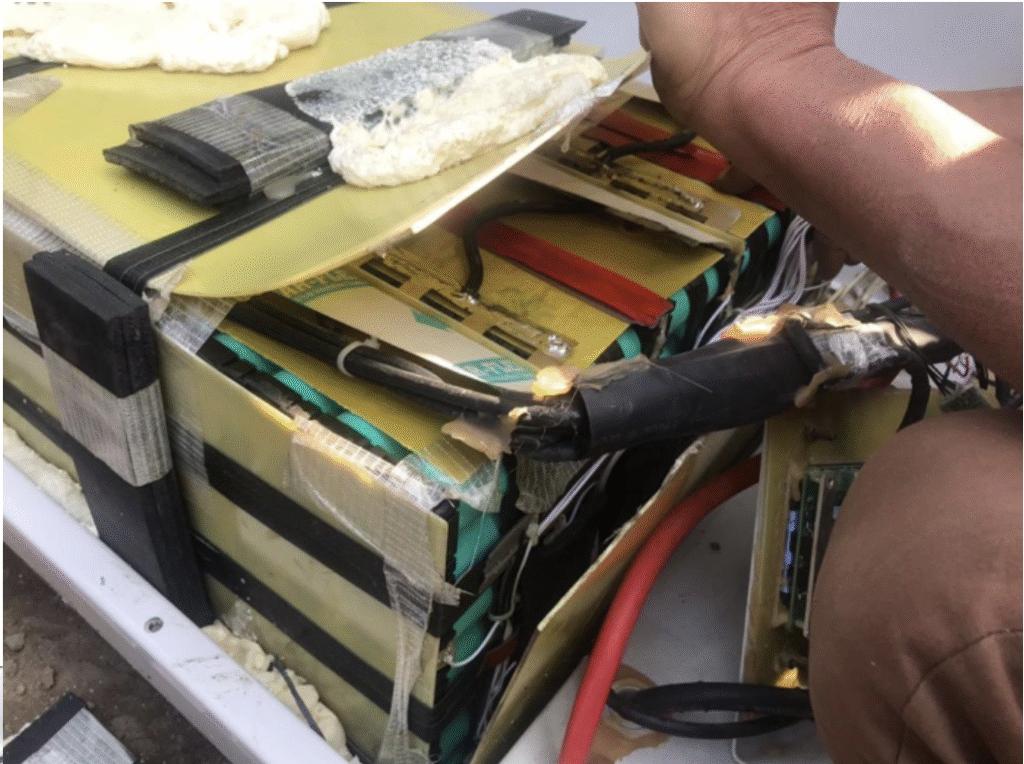
By deploying swappable battery packs charged off-grid at solar stations, we eliminate dependence on unstable grids and ensure optimal charging profiles that extend battery life and reliability.
These battery packs incorporate integrated air cooling, enabling effective thermal management even during rapid charging, maximising operational efficiency and fleet availability.
Day-One Principles – Designed Around Real People and Real Needs
People First: Each battery pack weighs under 15 kilograms, enabling male and female drivers to swap battery sets autonomously and safely, improving operational efficiency across diverse workforces.
Decoupled Charging: Swappable battery packs mean vehicles never need to wait for charging, allowing continuous revenue generation and maximising fleet productivity. Vehicles don’t have to wait to charge, so they can continue generating revenue.
Comprehensive Instrumentation: Every battery pack records critical data – life cycle metrics, temperature, state of charge – feeding into AI-driven management systems that predict maintenance needs, optimise performance, and underpin robust financial models and payment workflows..
Prototype Journey — What each stage proved
Prototype 1 (P1)
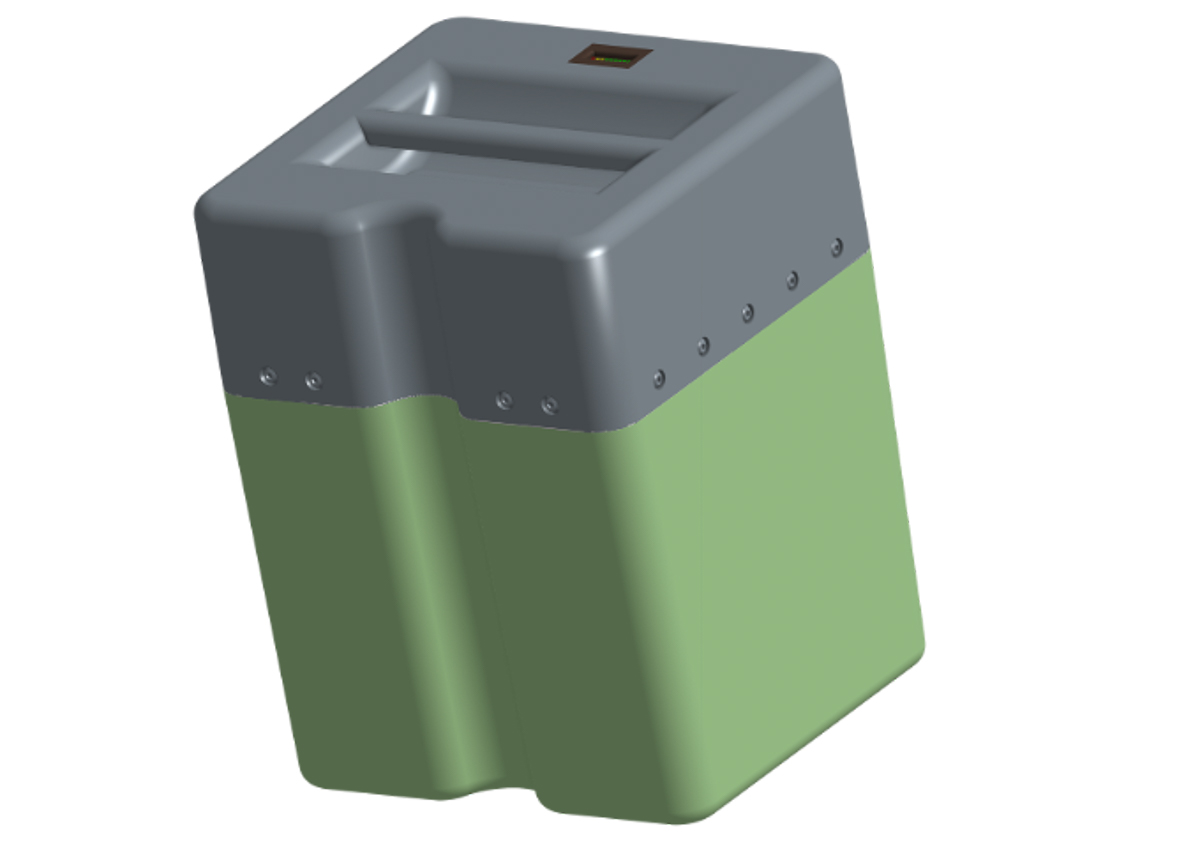
Introduced a keyed, tapered geometry to ensure precise insertion, combined with a serviceable enclosure featuring a removable top housing and secure screw pattern.
The design incorporated a Battery Management System (BMS) and state-of-charge indicator mounted on a removable carrier, along with a prismatic cell block fixed on a stable base plate.
Outcome: Demonstrated safe, reliable insertion; fast and easy access to critical components like BMS and busbars; and established a clear pathway for rotation and repair.
Prototype 2 (P2)
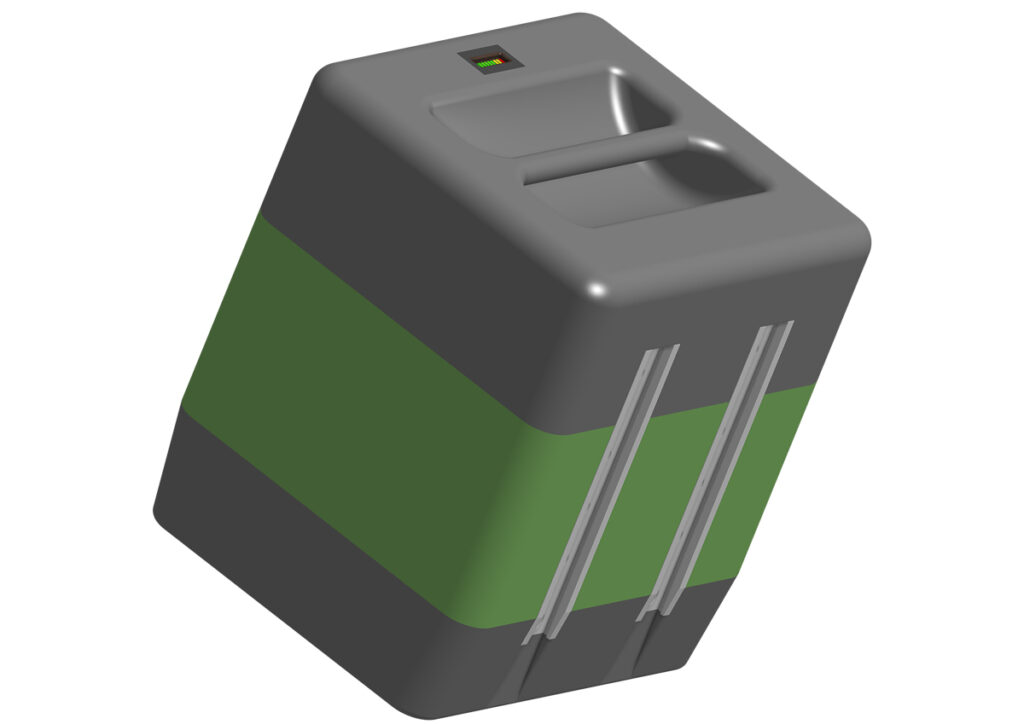
Enhanced the system with a rail interface and integrated a lattice frame inside the pack. The exploded architecture clarified manufacturability and streamlined the assembly process.
Outcome: Achieved cleaner integration with cradle and rails, creating space for necessary structural and thermal components.
Prototype 3 (P3)
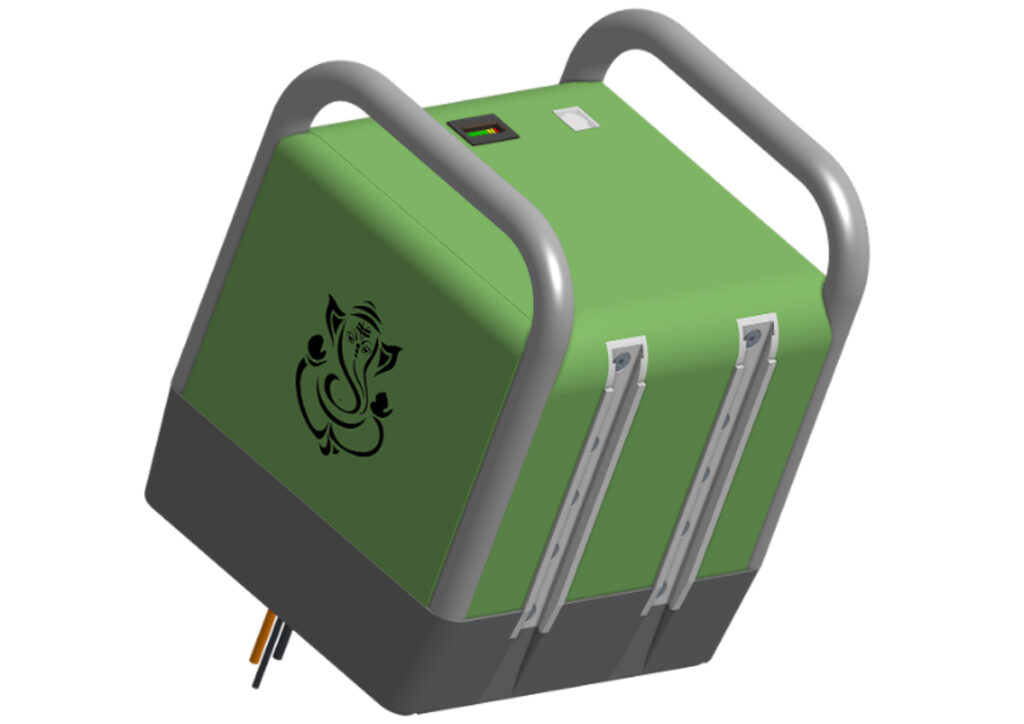
Focused on evolving casing design to align perfectly with cradle and swap station requirements, preparing the module for rigorous field integration and durability testing.
Prototype 4 (P4)
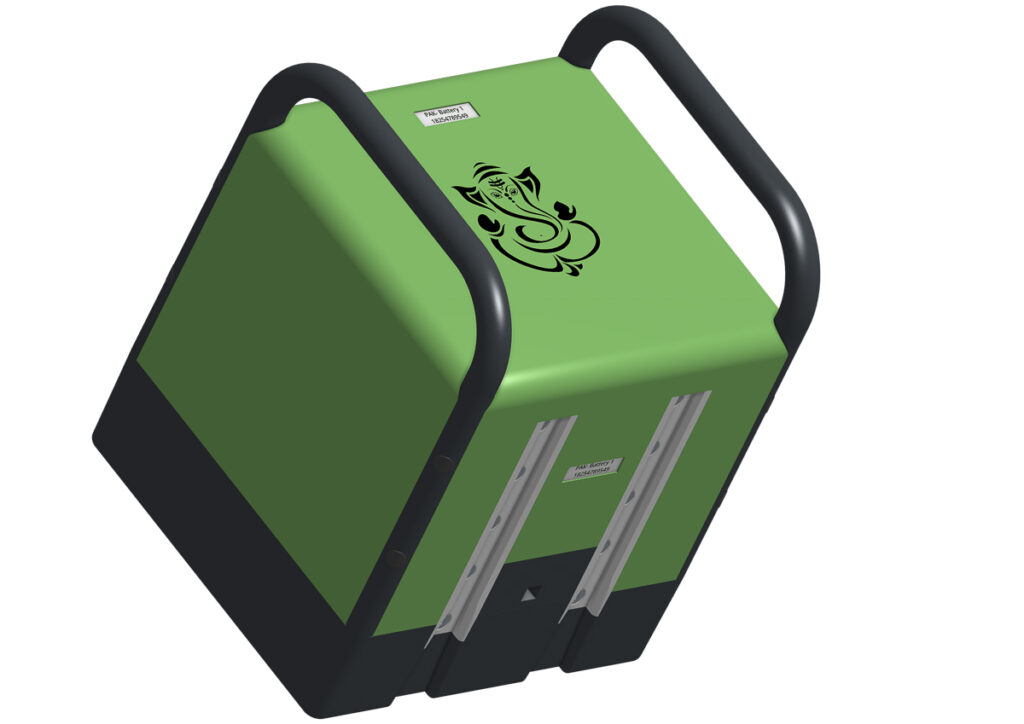
Prototype 4
Outcome: Confirmed enclosure maturity and interface readiness for pilot deployment and real-world use.
Cooling Findings – Validated Thermal Performance
Computational Fluid Dynamics (CFD) analysis indicates that introducing airflow of 28 cubic feet per minute (CFM) through a 10 mm gap between modules within the enclosure significantly reduces internal temperatures compared with no airflow.
The fan power estimated for this configuration in studies was approximately 1.5 kilowatts, indicating an effective balance between cooling performance and energy consumption.
Casing Static Analysis – Informed Design Improvements
We evaluated the battery pack casing’s structural integrity against relevant European standards to ensure compliance with crash-worthiness certification requirements.
Study parameters included a PA6-CF casing restrained at the base mounting slot, subjected to a 50g (~6 kN) distributed internal load, with contact points at the casing-to-lid interface.

Results identified peak stress concentrations in the lid region and near the base mounting slot, exceeding material yield limits.
To address this, design modifications include adding stress-relief features, increasing the base thickness, and/or redistributing the load through the supporting cradle structure, enhancing overall durability and compliance.
True Modularity & the Cradle
A standardised cradle and rail system accommodates both current battery modules and future form factors, ensuring seamless compatibility as next-generation packs are developed.
This consistent mechanical framework supports both vehicle mounts and swap stations, enabling rapid integration and straightforward upgrades across the fleet infrastructure.
Vehicle Targets & Use Cases
Our initial integrations focus on two key vehicle types: the electric rickshaw (4–6 seats) and the electric Safa Tempo (12–15 seats).
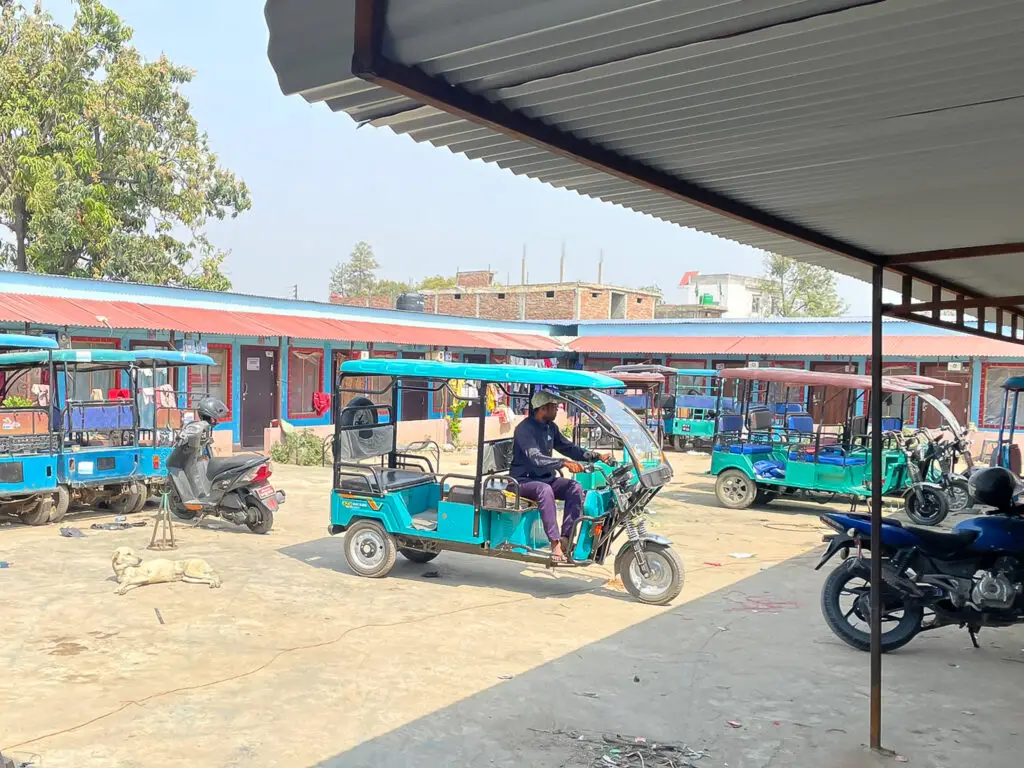
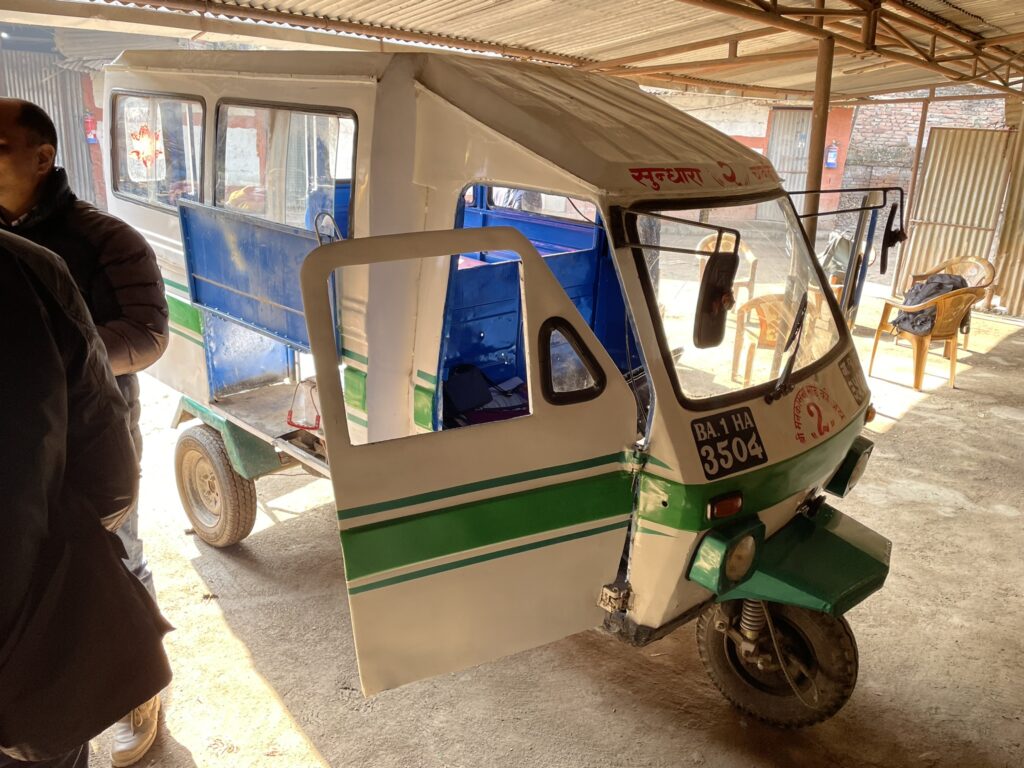
Both vehicle categories will use our swappable battery pack system, configured with six packs for the rickshaw and twelve for the tempo. These battery packs are strategically installed beneath the bench seats to preserve the vehicle’s cargo space, maintaining operational utility while increasing energy capacity.
Charging Workflow — Balancing Grid and Solar for Maximum Uptime
Currently, vehicles rely on slow overnight charging when the grid is available. Our proposed hybrid model combines daytime charging with photovoltaic (PV) solar power, reducing dependence on the grid and enhancing operational resilience.
Overnight grid charging occurs at a gentle rate below 0.2 °C, preserving battery life.
During the day, battery modules rapidly recharge at rates exceeding 1.0C, with turnaround times of just 30 to 60 minutes at solar-powered stations, keeping vehicles moving while energy is refilled off-board.
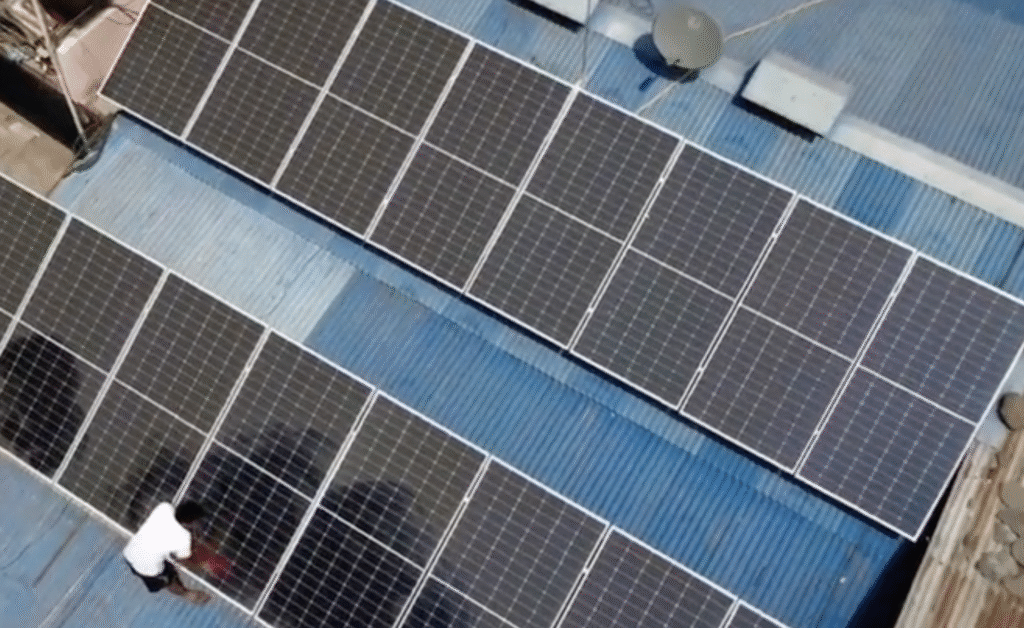
Factory Enablement — Kathmandu
On-site, critical infrastructure is in place, including clearly zoned and waterproofed areas, installation of lithium-class fire extinguishers, and comprehensive safety signage. A demonstration cradle has been constructed, and dust- and moisture-controlled rooms and ramp upgrades are underway.
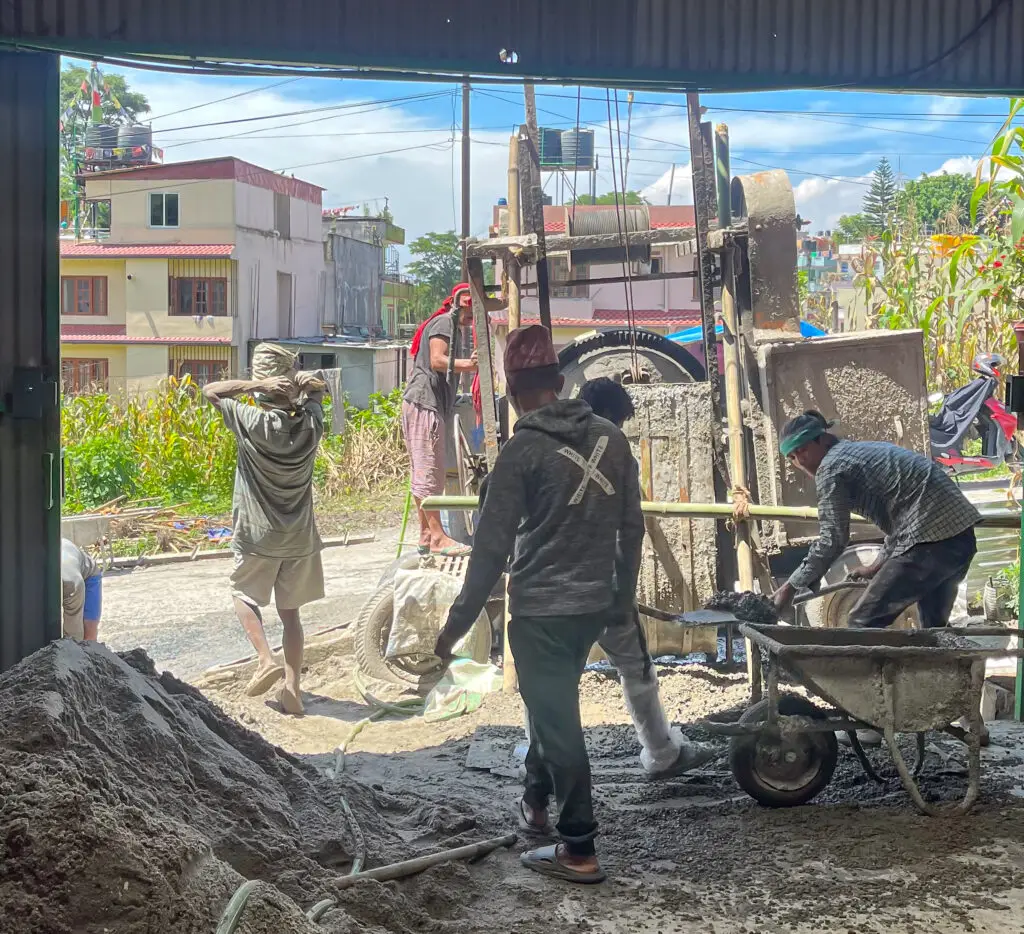
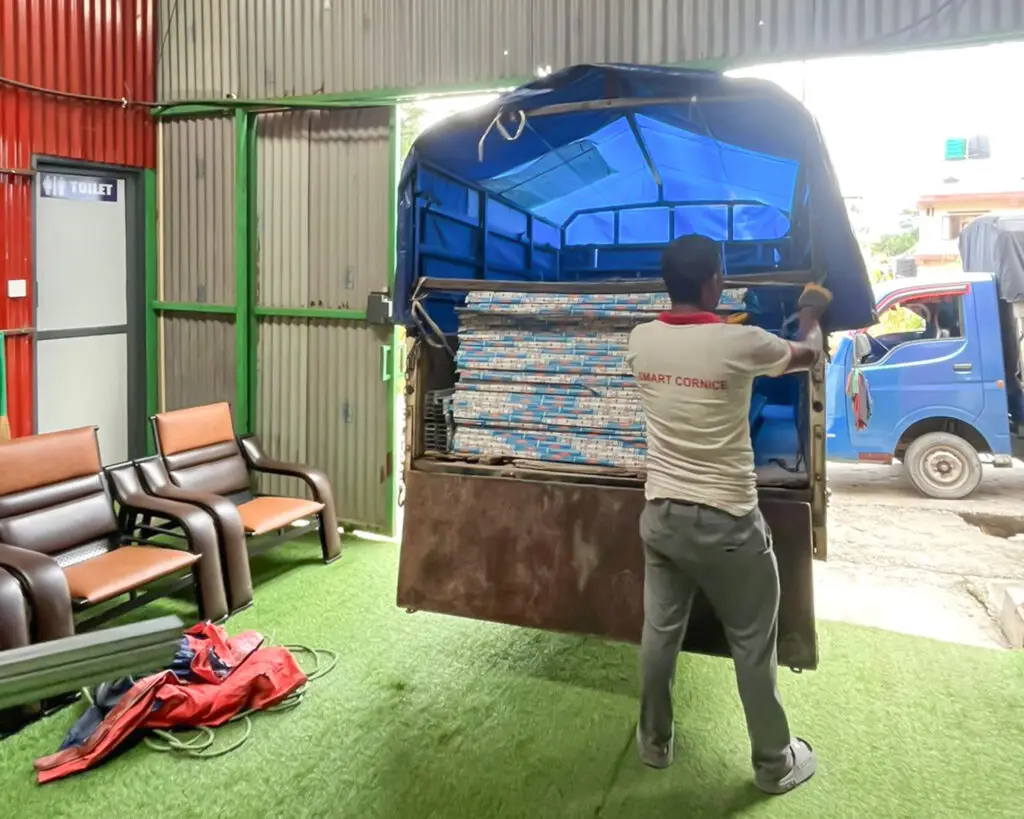
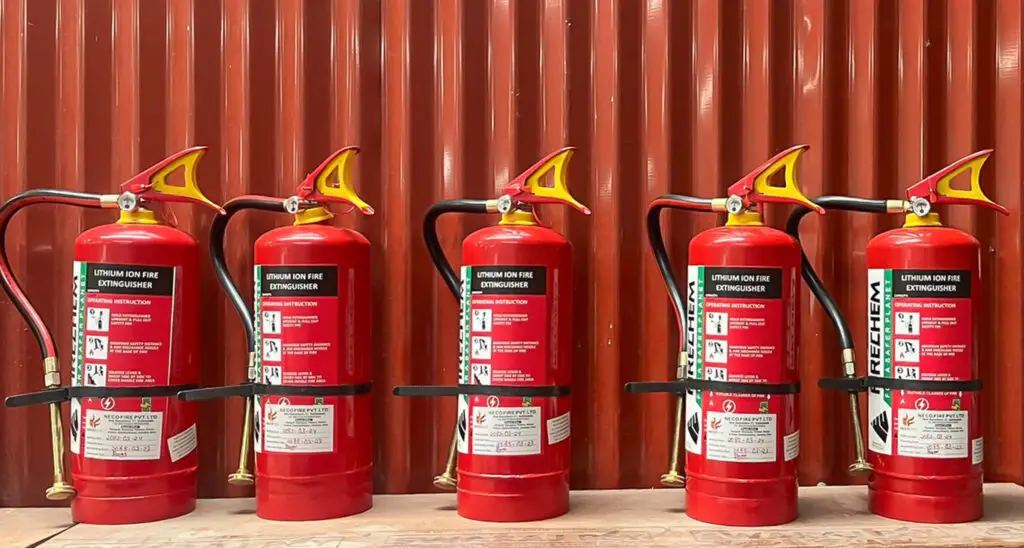
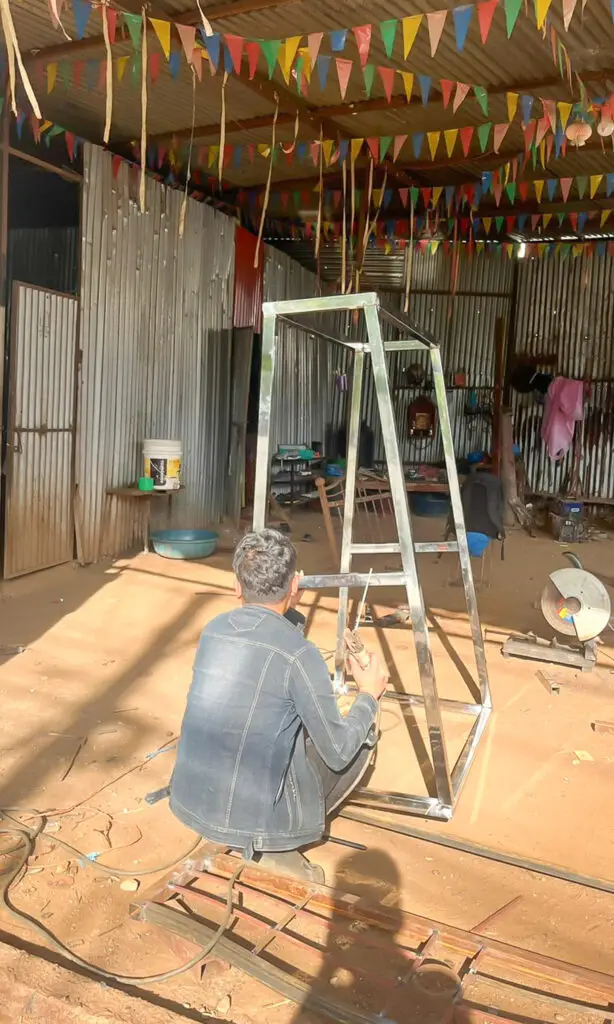
These foundational elements are essential to support local assembly, ongoing repair capabilities, and comprehensive staff training programs—ensuring the factory is prepared for efficient, safe, and scalable production.
For a detailed overview of our factory setup process, latest developments, and ongoing improvements, please visit our Blog, NeviFactory Setup in Kathmandu
Pilots & Routes – Nepal
Our pilot sites are strategically located in Dhading and Bardia, two socially underdeveloped regions chosen to maximise benefits for marginalised and remote communities. These sites feature defined, repeatable routes well-suited to modular energy applications but present distinct operational challenges, including varied terrain and environmental conditions.
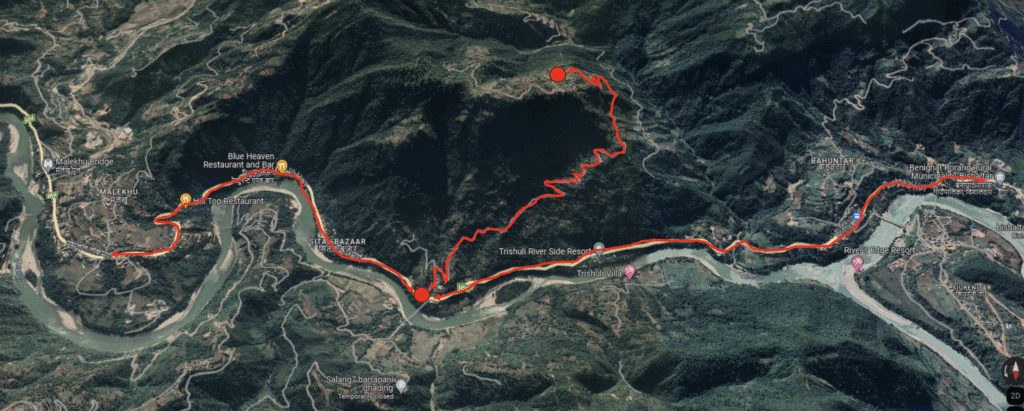
Dhading’s landscape ranges from lowland hills to high mountains, including alpine zones, while Bardia encompasses subtropical plains and dense forested areas, including protected national parks. This diversity offers a robust testbed for our technology.
A photovoltaic (PV) study has been completed, with solar installations scheduled to integrate clean energy generation with sustainable mobility.
Together, these pilot sites create a valuable and diverse data pipeline that informs ongoing development and scaling strategies.
Telemetry, Payments & Digital Twin
Each battery pack collects detailed telemetry data, which is downloaded onto the charging cradle station. This module-level data is then securely uploaded to a cloud platform that integrates payment processing, fleet analytics, and a sophisticated digital twin.
The digital twin creates a virtual replica of each battery module, enabling predictive maintenance scheduling that minimises downtime and extends asset life through proactive interventions.
Performance insights are shared with finance teams, enabling accurate cost modelling for battery rentals and supporting seamless energy-as-a-service business models.
Dashboard Reporting
- Actual in-service time versus expected performance (baseline) to track operational efficiency
- Energy consumption per kilometre and per fare, supporting efficiency and cost management
- Battery pack rotation and repair rates, ensuring the longevity and reliability of asset utilisation
- Thermal profile under load (including 28 CFM case and beyond) to optimise cooling strategies and extend battery life
- Battery health and longevity metrics, with a focus on improving against baseline expectations
- PV yield and charge-turnaround times, maximising energy capture and reducing downtime
This comprehensive performance dashboard provides transparent, actionable insights that drive continuous improvement and value creation.
Roadmap & Milestones
Integrations: Commissioning of cradles, completion of vehicle modification, and validation of the swap workflow to ensure seamless operation.
Sites: Deployment of photovoltaic (PV) stations and establishment of reliable grid-charging routines for consistent energy supply.
Software: Enhancements focused on telemetry robustness, digital twin optimisation, and refinement of the payments layer for secure, scalable transactions.
People: Local engineer training programs and comprehensive safety drills to build operational expertise and maintain workforce readiness.
Consolidation: Translation of pilot key performance indicators (KPIs) into an investor-ready, higher-technology readiness level (TRL) demonstrator, setting the stage for commercialisation and scale.
This roadmap outlines critical milestones to ensure systematic progress from pilot to scalable commercial deployment.
Join Us on the Journey to Transform Fleet Mobility
We seek strategic partners to accelerate critical phases, including battery pack and cradle production, PV site expansion, and software resilience across pilot programs. Our focus is on driving scalable deployments for route-based fleets, enabling rapid growth and impactful market entry.
At Global Solutions, we are more than a battery technology company — we are driving real-world change. Our swappable, modular battery system delivers reliability, scalability, and sustainable energy solutions tailored for the routes and conditions that matter most.
We invite you to partner with us in accelerating the future of clean, resilient, and profitable fleet electrification. Together, we can empower fleet management in underserved regions, maximise vehicle uptime, and extend the lifecycle value of batteries for a cleaner planet.
Explore our solutions. Connect with our team. Be part of the innovation that powers real routes.