
PROJECT GANESHA
Project GANESHA is a live demonstration of how scalable technology, local knowledge, and practical engineering come together to deliver lasting change. In rural Nepal, where energy access is limited and transport infrastructure fragmented, GANESHA is building a new model for electric transport and home energy — modular, mobile, and designed for long-term resilience.
Led by Global Solutions and delivered in partnership with P.A.K Engineering, NEVI, and 3 Sisters, Project GANESHA is being tested across two pilot regions selected for their different needs and conditions:
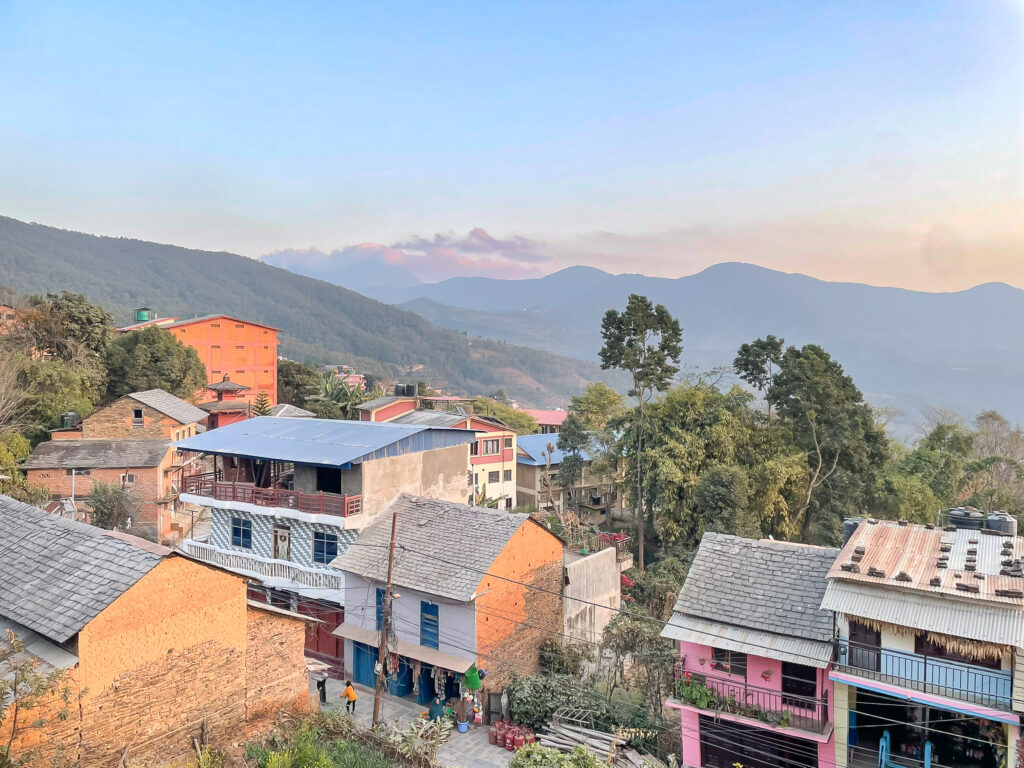
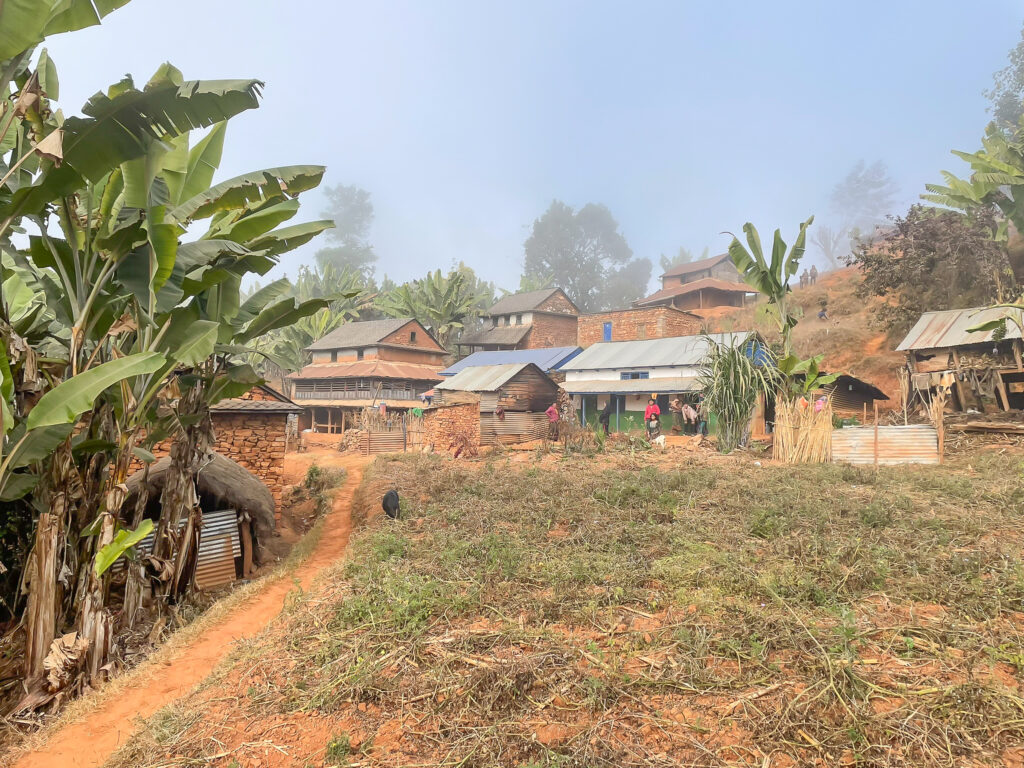
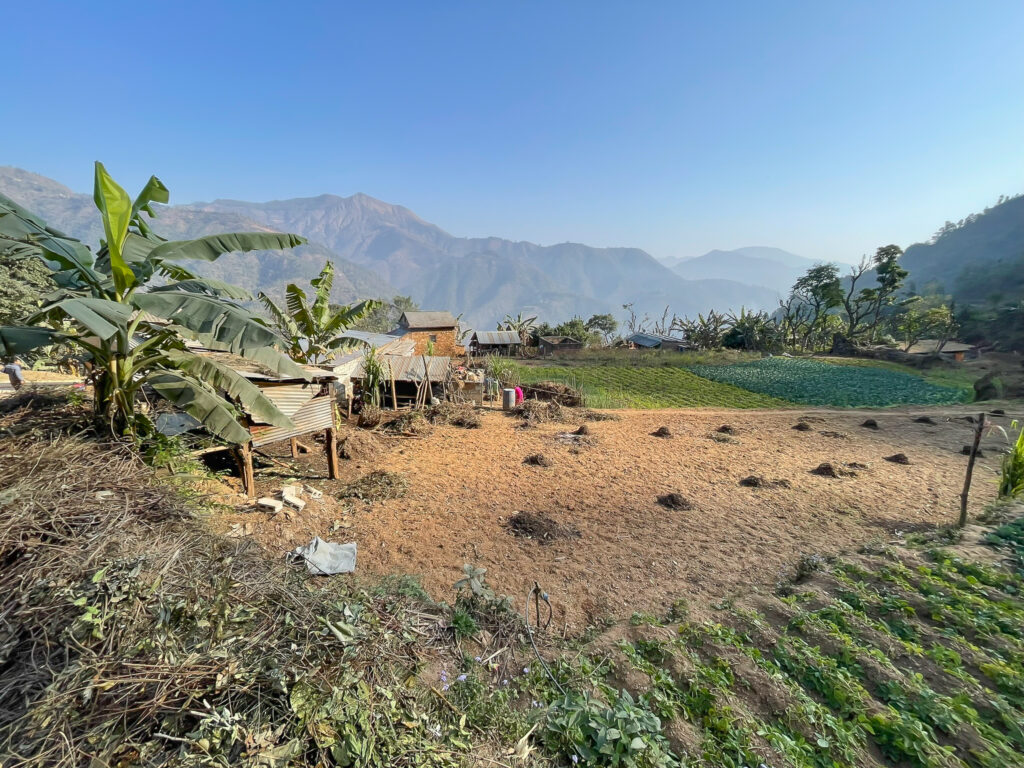
Dhading District

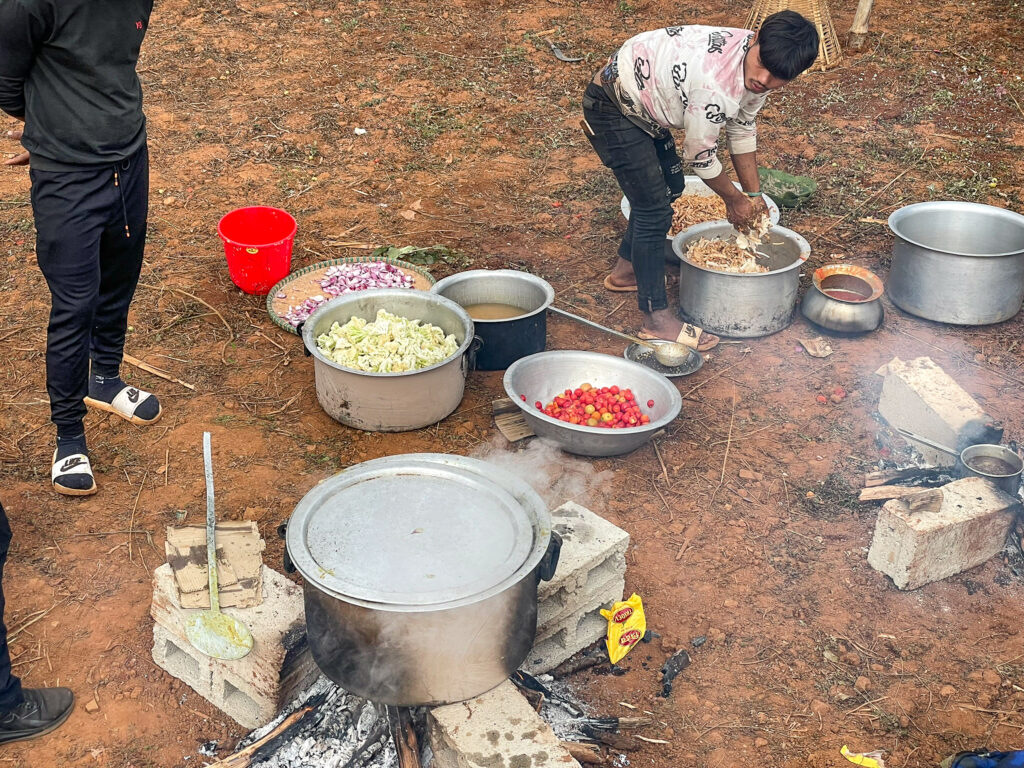
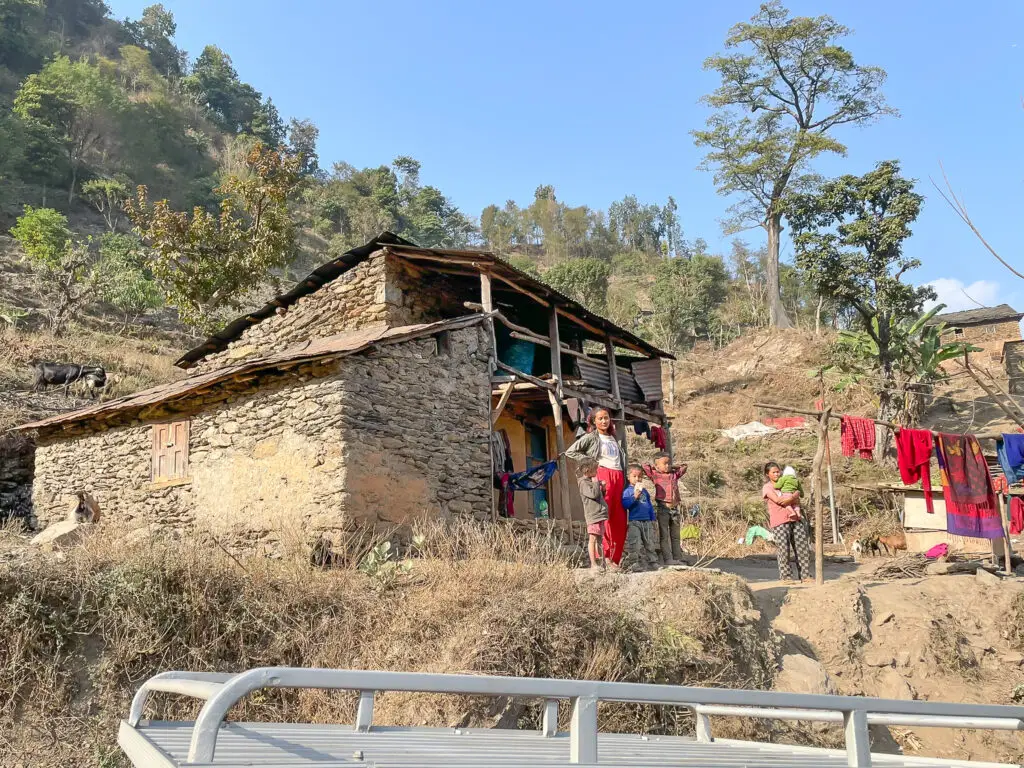
Bardiya District
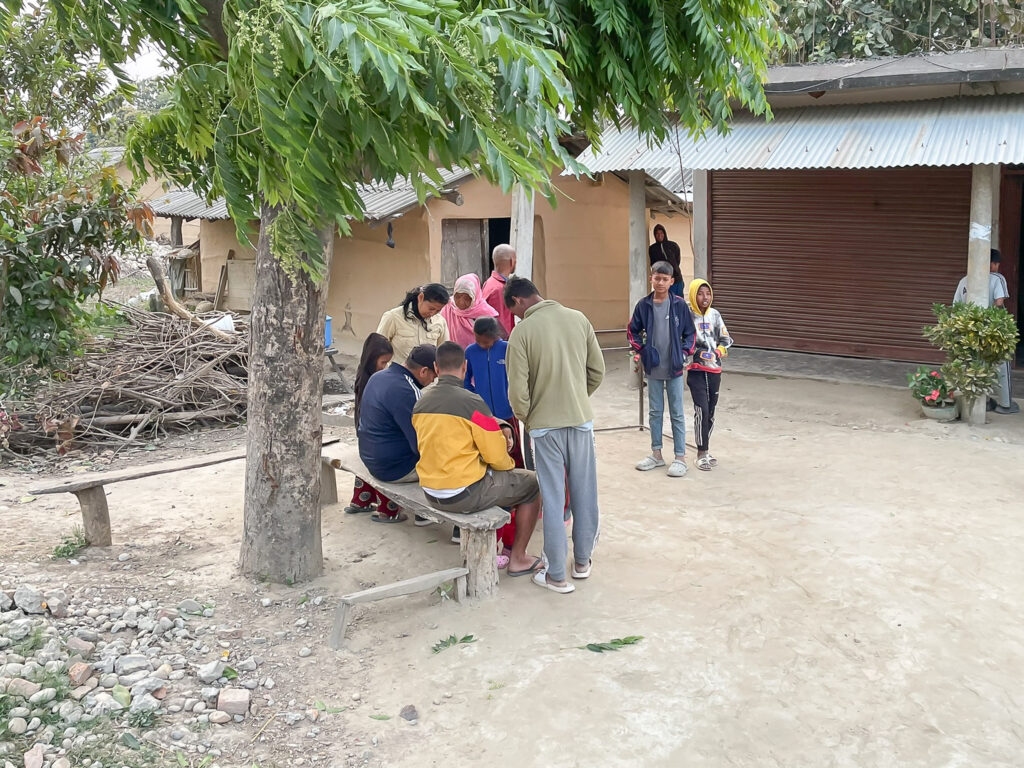
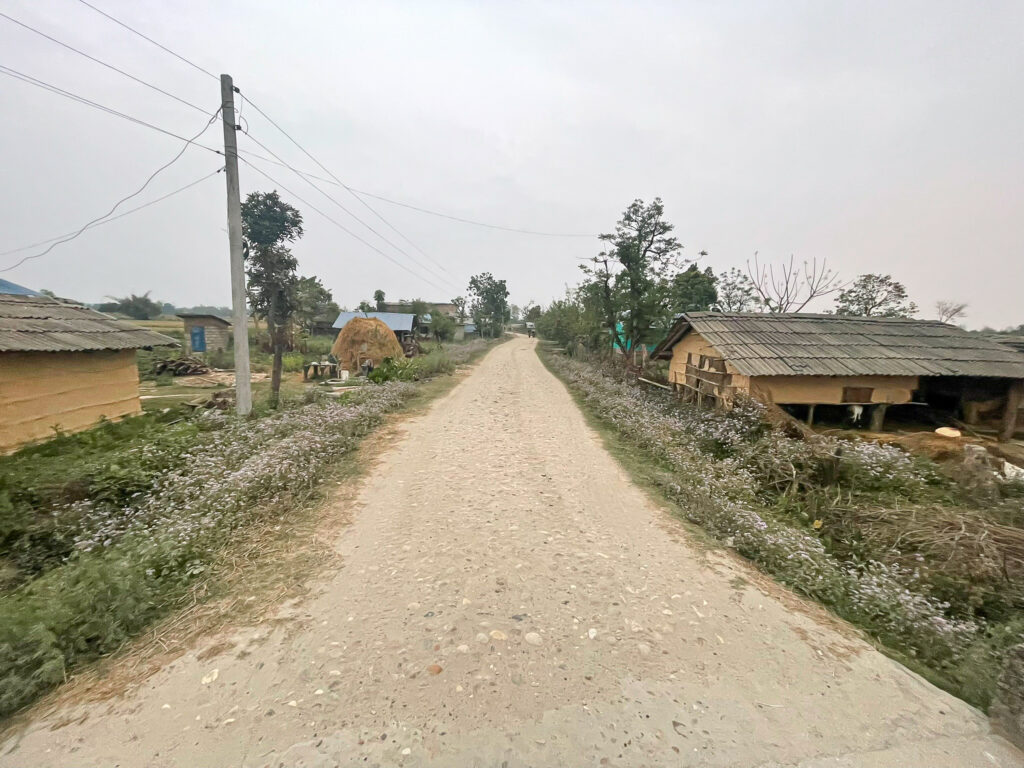
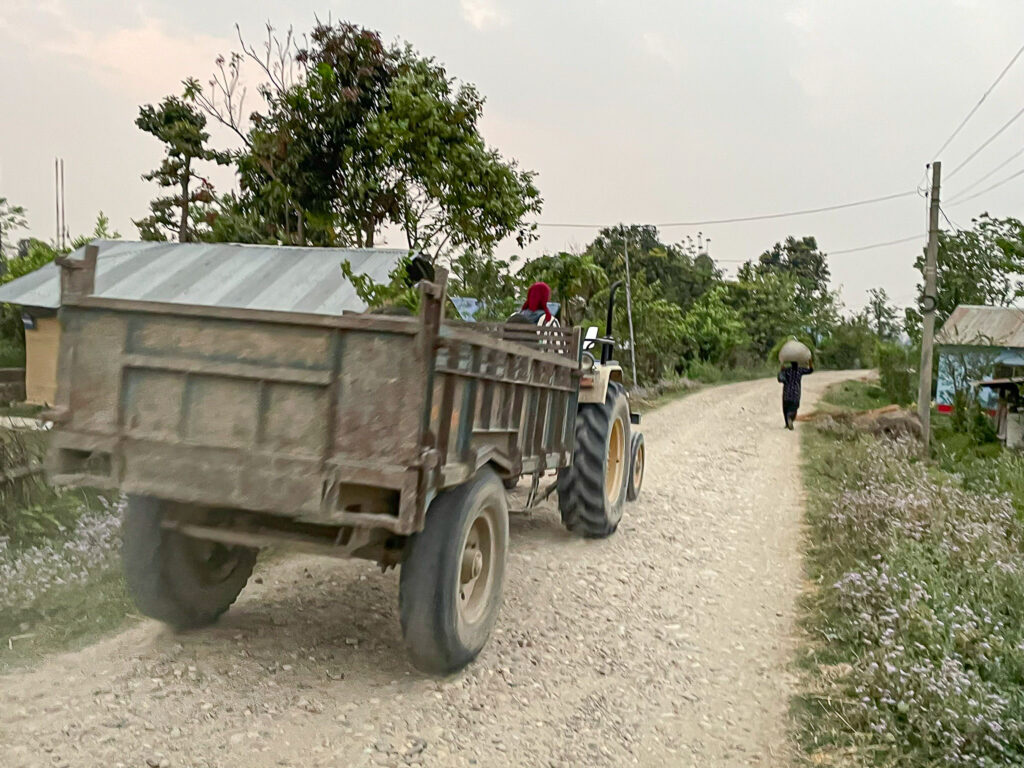
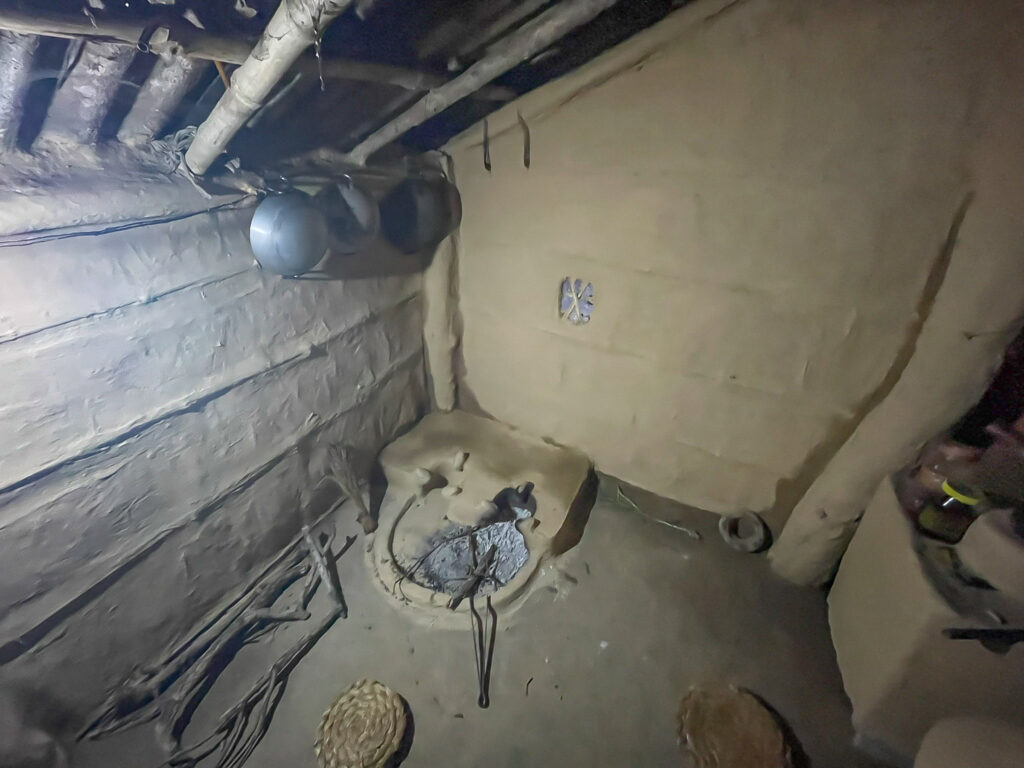
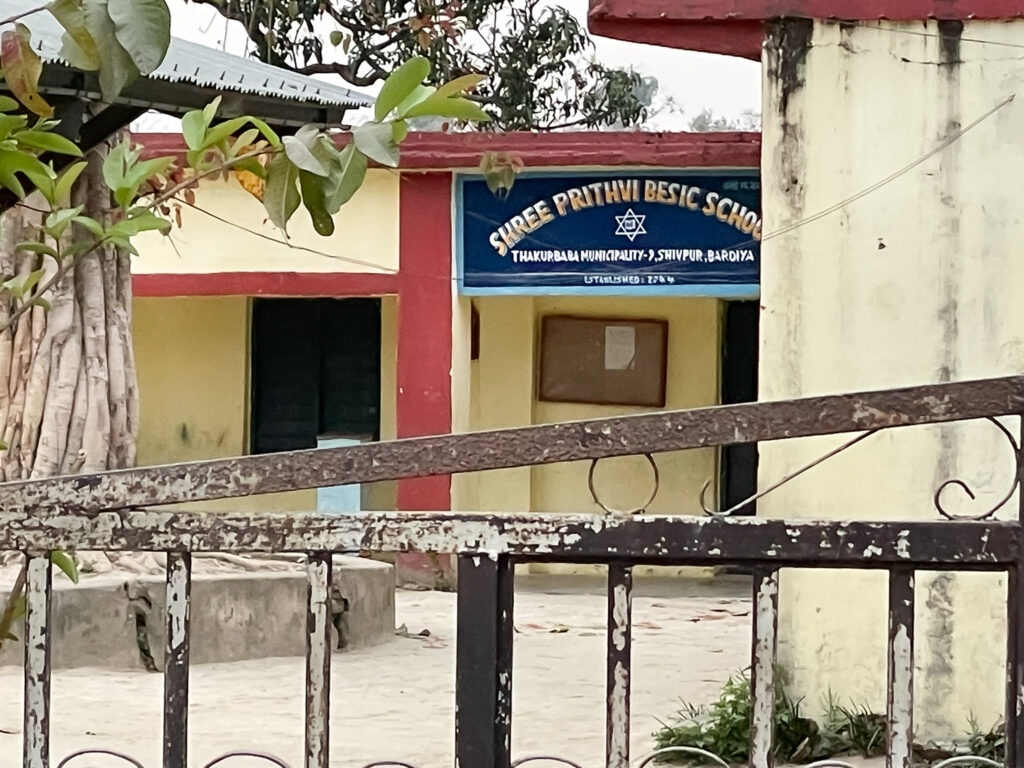
Each pilot area presents unique terrain, infrastructure limitations, and community structures, making it ideal for developing a system that can scale across Nepal and beyond. In Project GANESHA, we’re focusing on the mountainous regions of Dhading and, in Bardiya, the lowland plains (Tarai) with national park terrain. Both locations are challenging to access, which helps ensure the solutions we design are resilient and widely applicable.
Listening Comes First
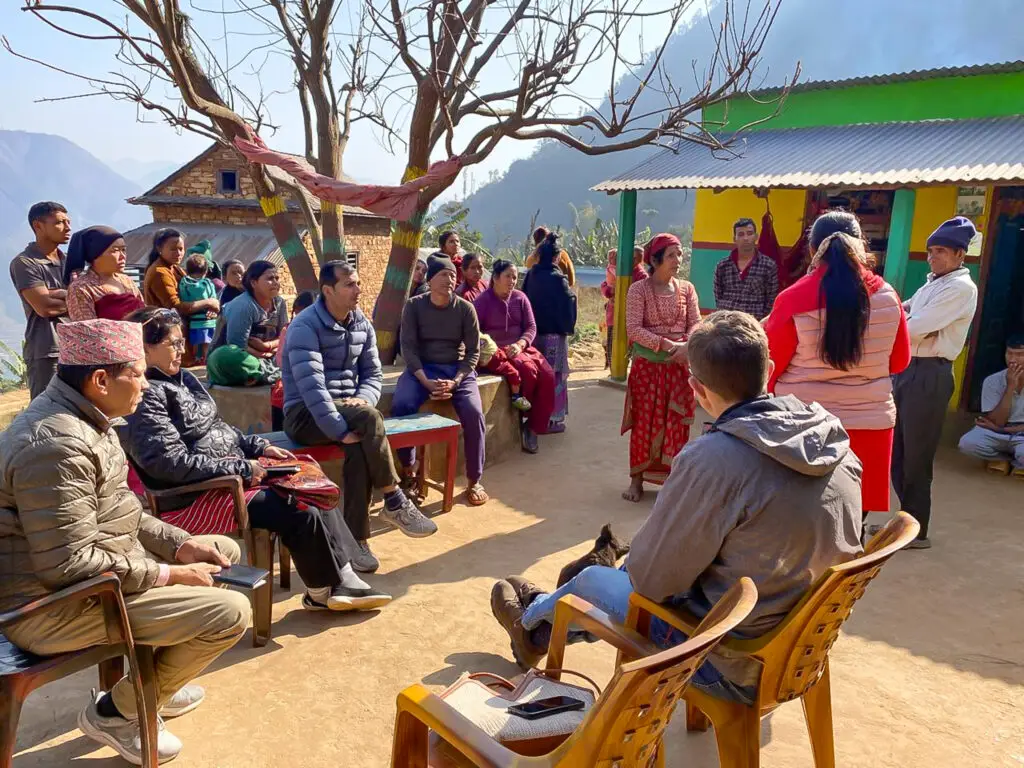
Before designing any systems, the team focused on listening. Field visits were conducted across all three regions, engaging local stakeholders, including deputy mayors, ward chairs, women’s leaders, community forest officials, and education departments.
A detailed physical survey was designed to uncover how people live, move, and access power. The questions explored:
- Who lives in each community, and how decisions are made
- How far people travel to reach markets and essential services
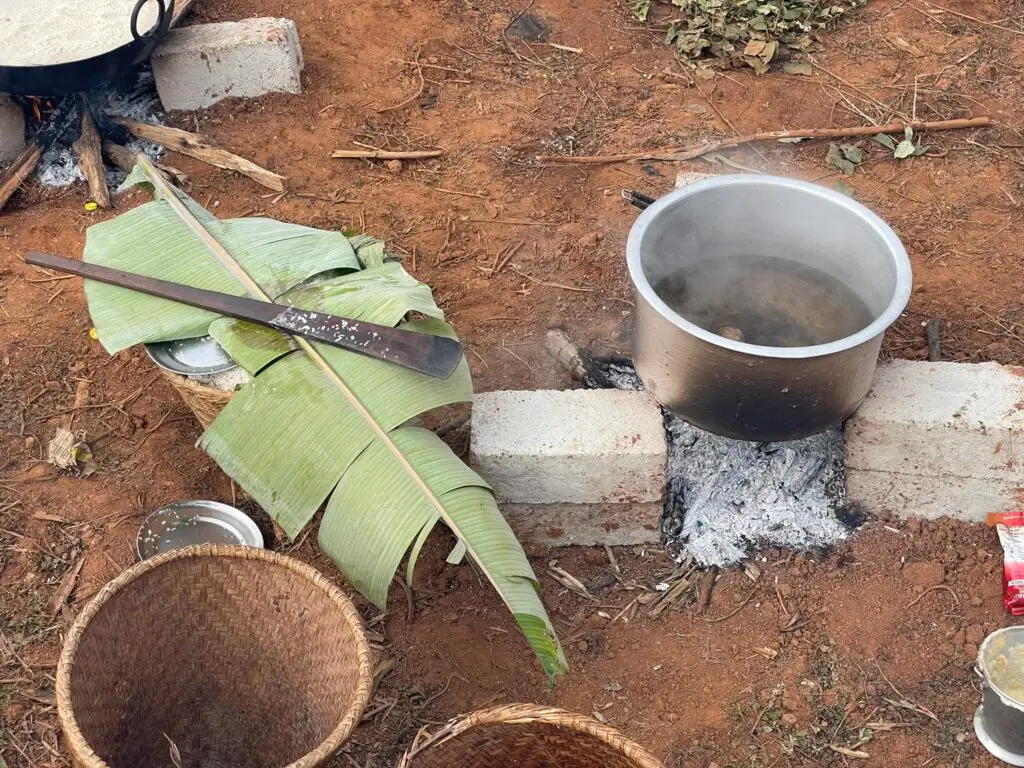
- What energy sources are used, and how often they fail
- What kind of support (if any) has been received from governments or NGOs
- How aware people are of renewables and conservation efforts
- How gender roles and social structures affect access and inclusion
This is the essential blueprint. Every step that followed has been built from these lived experiences.
From Insight to Innovation
As insights emerged from the field, the technical team engineered a modular battery system designed for off-grid operation and rural terrain. These systems are used to power:
- EV-Rickshaws — compact, affordable electric vehicles for short trips between villages and towns, powered by fast-charging solar stations.
- Home Energy Systems — providing reliable power for small devices, TVs, fans, and, in the future, clean cooking systems.
At the core is Project GANESHA’s lightweight battery thermal management system, built for extreme environmental conditions. The advanced packs feature:
Integrated power electronics enabling local maintenance, repair, and system control
Cell-level thermal management through innovative heat exchangers linked to a manifold flow
Robust casing for durability in harsh terrain

Dhading: Pilot Site One
Dhading became the first live test site — a working example of how GANESHA’s systems deliver meaningful impact in a decentralised, mountainous rural environment.
The pilot includes:
- 100 mobile battery kits distributed to homes and small businesses
- Two solar-powered charging stations — one within the village, one roadside
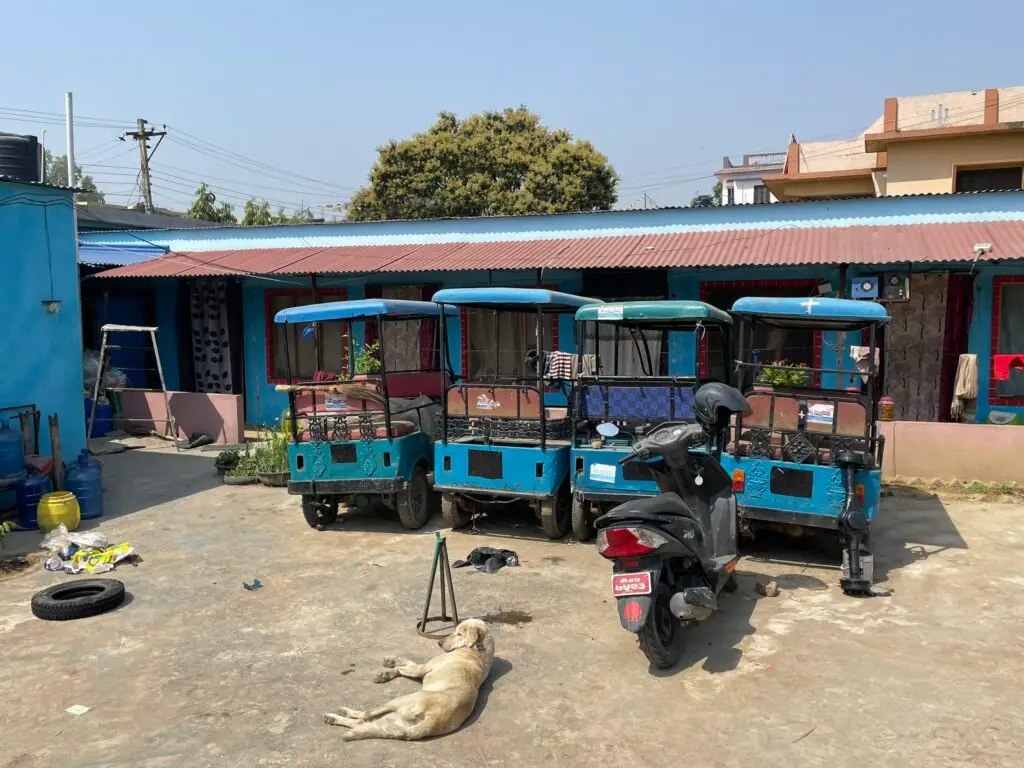
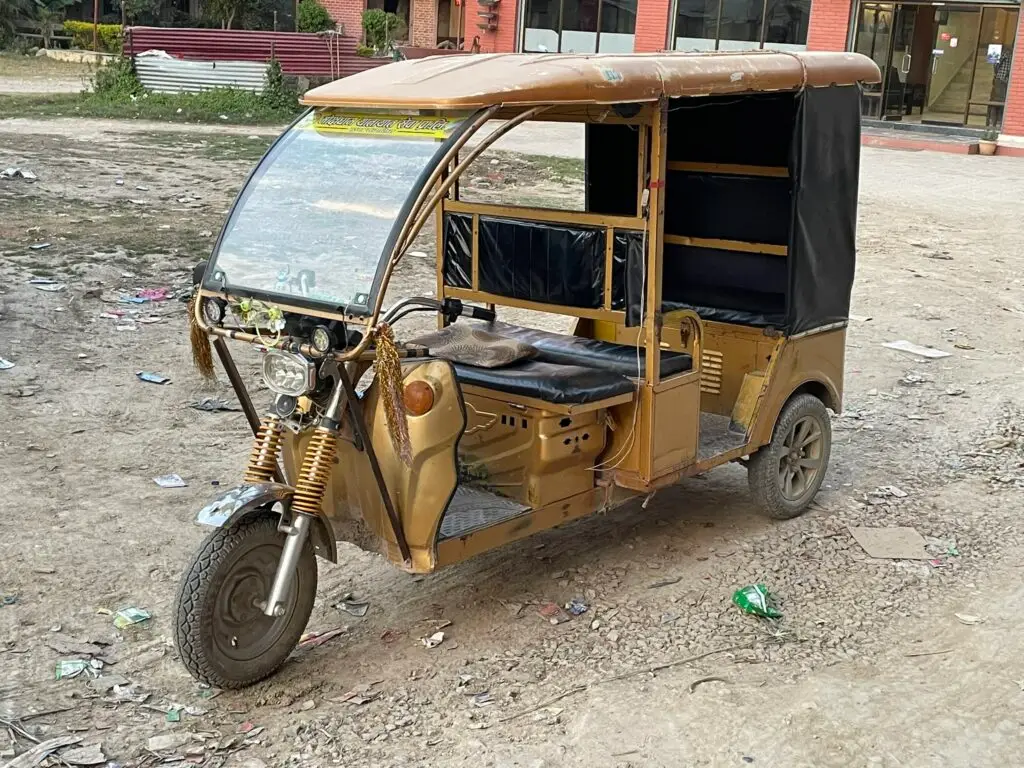
- Two EV-Rickshaws are providing affordable public transport to nearby towns and schools, to improve the lives of locals and school children
- One off-road test vehicle to assess battery performance while accessing challenging terrain and system durability.
- 30 homes piloting battery-powered daily energy use with continuous community feedback
This is a fully deployed ecosystem, locally grounded and technologically future-ready.
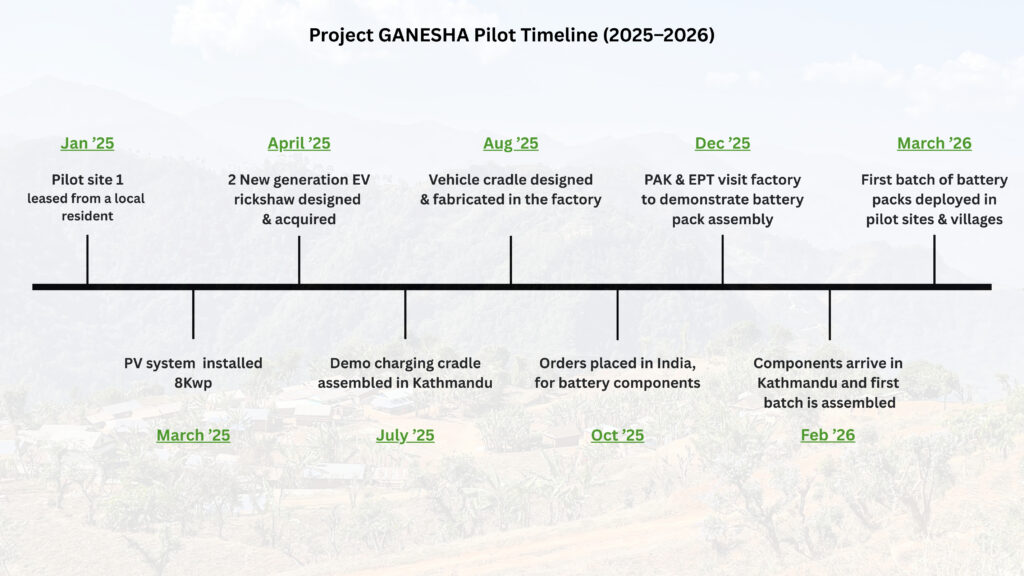
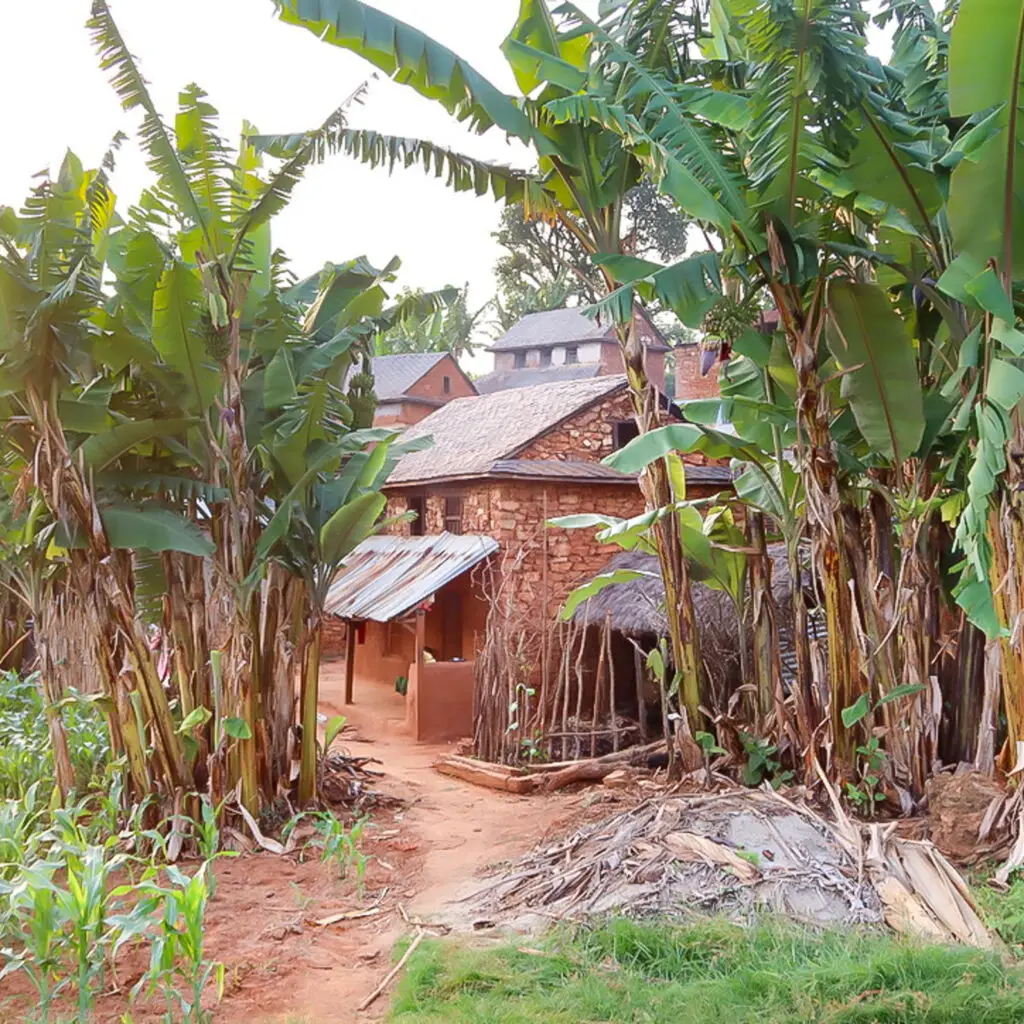
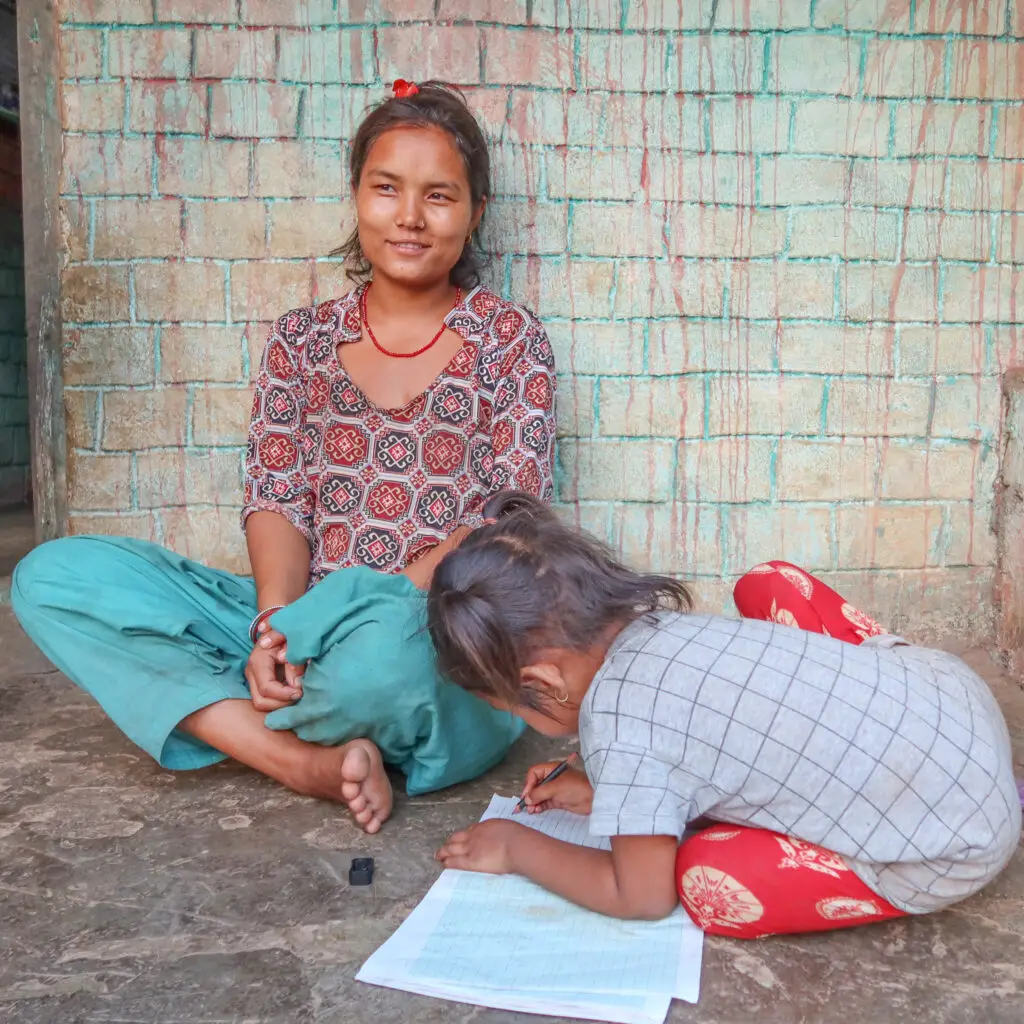
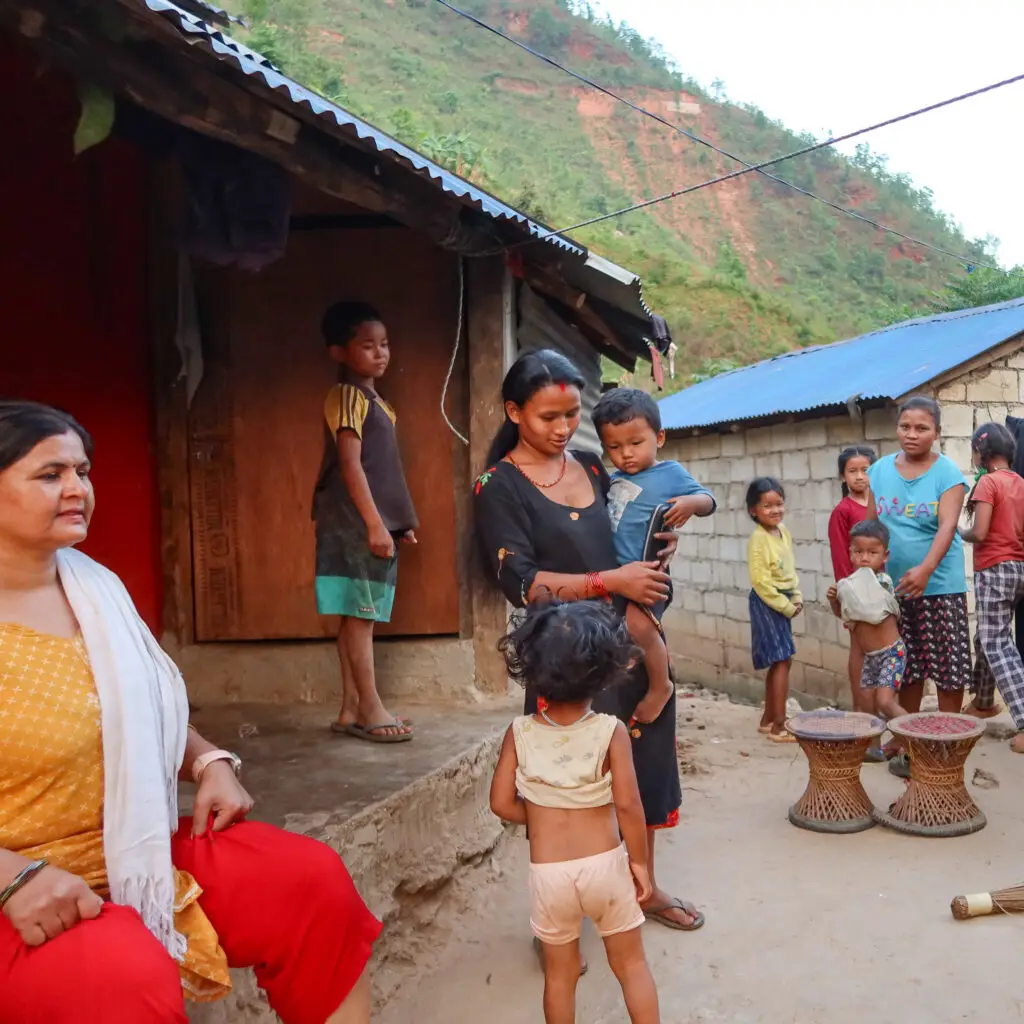
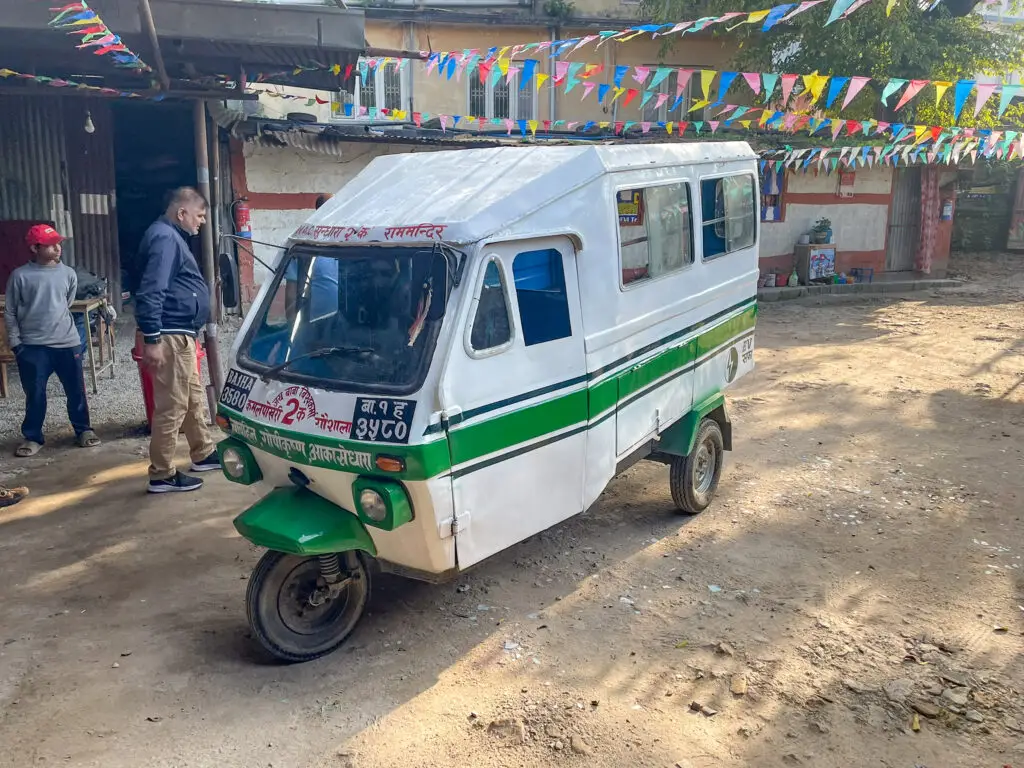
Scenes from Dhading: homes, families, and education at the heart of Nepal’s first live pilot site, with a detailed timeline from January 2025 through to March 2026.
International Collaboration
This phase also marks the start of international collaboration, with knowledge sharing underway between GANESHA’s core team and other projects within the Energy Catalyst Programme, embedding gender equity, resilience, and development expertise into the next stage.
Phase 2: From Pilot to Scale
In Phase 2, Project GANESHA is transitioning from foundation to expansion, transforming field-tested systems into scalable, investable infrastructure. Building on the success of the initial pilot, this phase focuses on:
- Global market engagement
- Deeper technical integration
- Strategic partnerships to take GANESHA from rural Nepal to other regions that need it most
From Field to Global Opportunity
While Nepal remains the core, GANESHA’s systems — decentralised, solar-integrated, and designed for resilience — are proving relevant well beyond their original context.
The team is actively engaging with international networks, including:
- Energy Catalyst Accelerator Programme (via Carbon Trust)
- S-@ccess Forum, where battery assembly models for Africa, South America, and the South Pacific are generating significant interest
- Global green investment conferences, such as the Sankalp Bharat Summit in Varanasi, India (Nov 2024), focused on rural energy access and transport innovation
- Sankalp Bhahart Summit in Lucknow, India (11th & 12th Dec 2025)
- S-@ccess International Conference 2026 in Mallorca, Spain (8th – 10th April 2026), where we are looking forward to presenting two papers.
Each pathway represents a step toward localised manufacturing, investment mobilisation, and long-term sustainability — positioning GANESHA as a replicable model for diverse markets worldwide.
India Market Benchmarking: Battery Swap Systems at Scale
As GANESHA prepared to move from pilot to scale, the team looked outward, studying how other countries were already deploying electric mobility at speed. India became a natural reference point, prompting the team to study the Indian electric rickshaw market.
Across India, more than five million tuk-tuks form the backbone of daily transport.
By 2030, 80 per cent of all new vehicles in this category are expected to be electric, supported by national programmes such as FAME II and PM E-DRIVE.
That scale has created a battery-swapping market now worth more than USD 1.2 billion, with established operators including Sun Mobility, Battery Smart, RACE Energy, Lithion Power, and Esmito Solutions.
To understand what works and what still hinders wider adoption, Intellecap conducted a comparative benchmarking study under the Energy Catalyst Programme. Their analysis focused on how India’s systems operate commercially and what lessons could be applied to rural and off-grid contexts.
Three clear operating models emerged:
• Pay-per-swap
• Pay-per-kilometre (rental or subscription)
• Pay-per-kWh
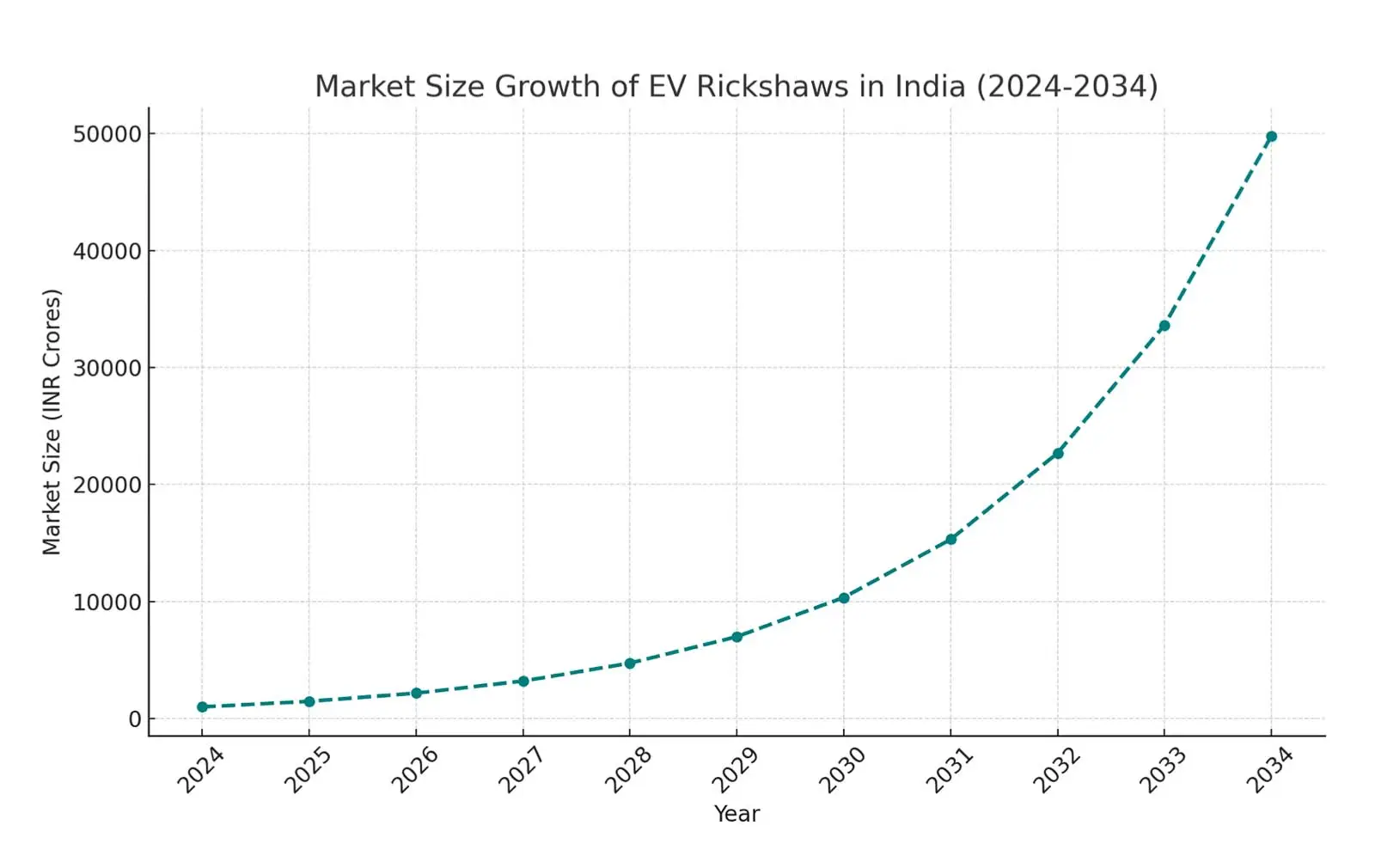
These models have made urban swapping fast and affordable, but most remain tied to grid power, limiting reach in remote or low-infrastructure areas.
GANESHA builds on this foundation and extends it further.
By combining solar charging, thermally-cooled battery modules, and fast-swap off-grid capability, GANESHA takes a proven urban innovation and re-engineers it for rural use.
The result is a decentralised, zero-emission system designed to operate anywhere, independent of the grid, locally maintainable, and built for long-term community benefit.
In doing so, GANESHA turns global insight into practical engineering, transforming lessons from India’s high-volume market into a model that works where power lines end.
GEDSI in Practice
As Project GANESHA moves from field insights to live delivery, GEDSI is being applied as part of the project itself through local engagement, structured training, and measurable evaluation alongside the technical work.
This reflects a core principle of GANESHA: systems are more likely to succeed when they are shaped around how people live, participate, and access services in practice.
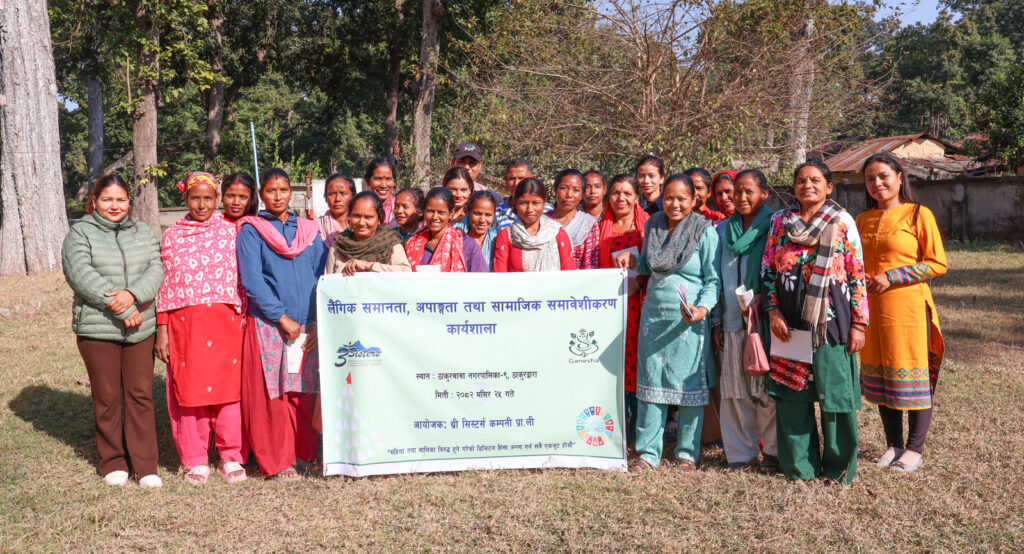
At Pilot Site 2 in Bardiya, this approach combined needs assessment with a participatory GEDSI workshop involving 21 participants.
Structured pre- and post-evaluations were used to measure changes in understanding and awareness, thereby creating comparable evidence for project learning and reporting. The results showed clear progress, with familiarity with Gender Equality improving from 7 to 21 participants, familiarity with Social Inclusion improving from 5 to 20, and awareness of GEDSI initiatives increasing from 5 participants to all 21 by the end of the session.
For GANESHA, this matters because inclusive delivery is not separate from successful delivery. It helps strengthen participation, improve local ownership, and support the long-term uptake of energy services as the project scales up.
You can read more here, in our full blog on the delivery of the GEDSI workshop.
From Technical Progress to Market Readiness
As Project GANESHA moves closer to live deployment, progress is being driven not only by engineering development in Nepal but also by the broader relationships and market conditions needed to support scale.
A recent programme visit across Nepal and India brought these strands together, connecting factory readiness, partner capability, monitoring systems, investor dialogue, and in-market engagement around the future of modular battery-supported mobility.
In Kathmandu, the focus was on translating design into delivery.
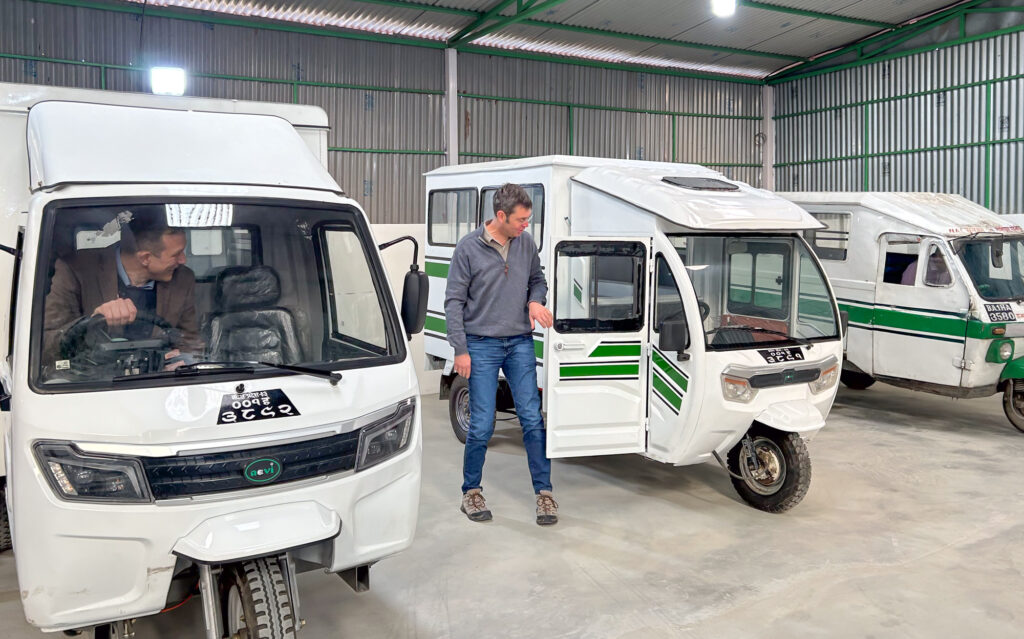
At the NEVI facility, the team reviewed battery assembly lines, EV rickshaw upgrade areas, cradle integration, testing zones, repair workflows, and resourcing plans with local partners.
The visit also confirmed training priorities, labour and tooling needs, and delivery schedules for batteries, cradles, and vehicle sequencing across both pilot sites.
Alongside this, technical sessions with EPT and PAK advanced battery and BMS monitoring, charging-rack electronics, fault review, and commissioning milestones, all essential to ensuring the system performs reliably once deployed.
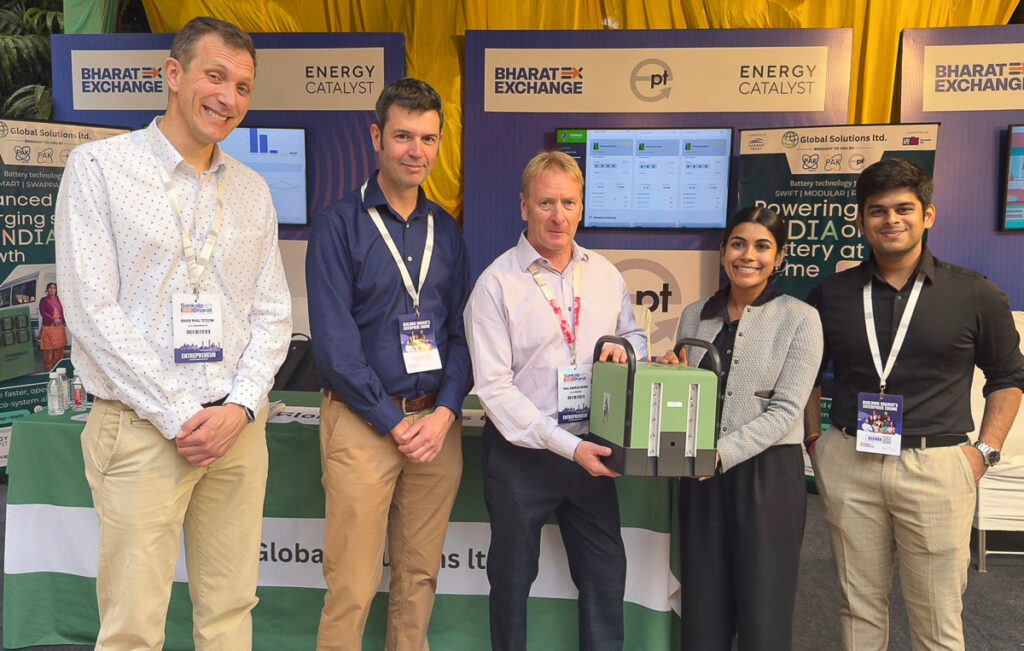
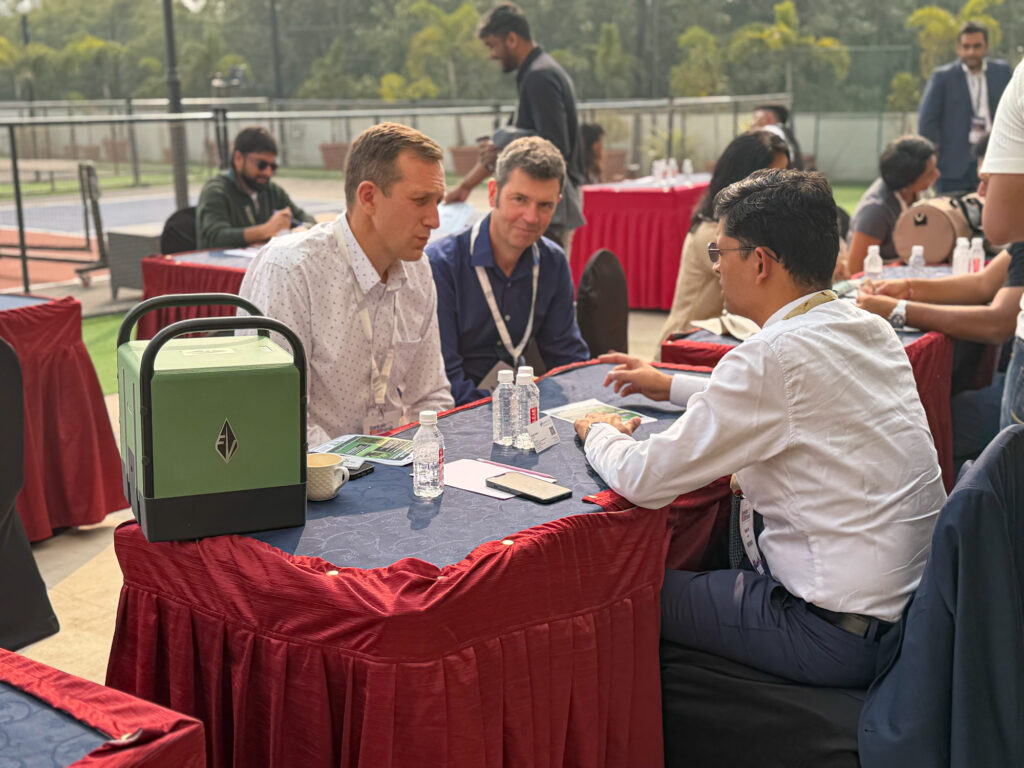
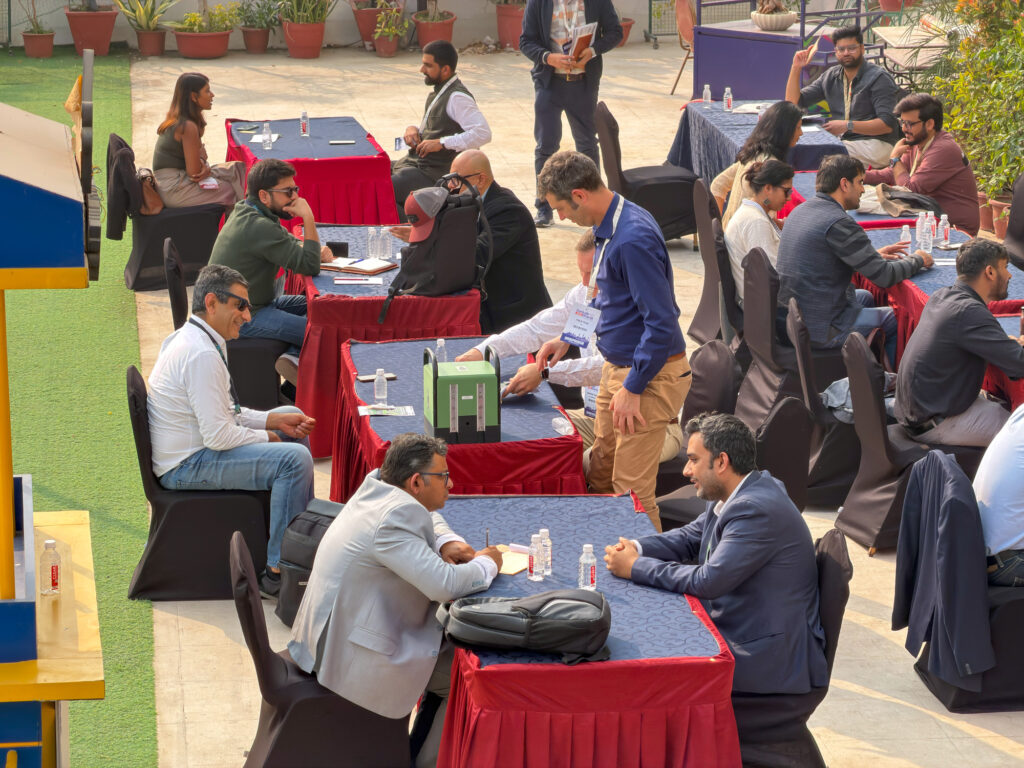
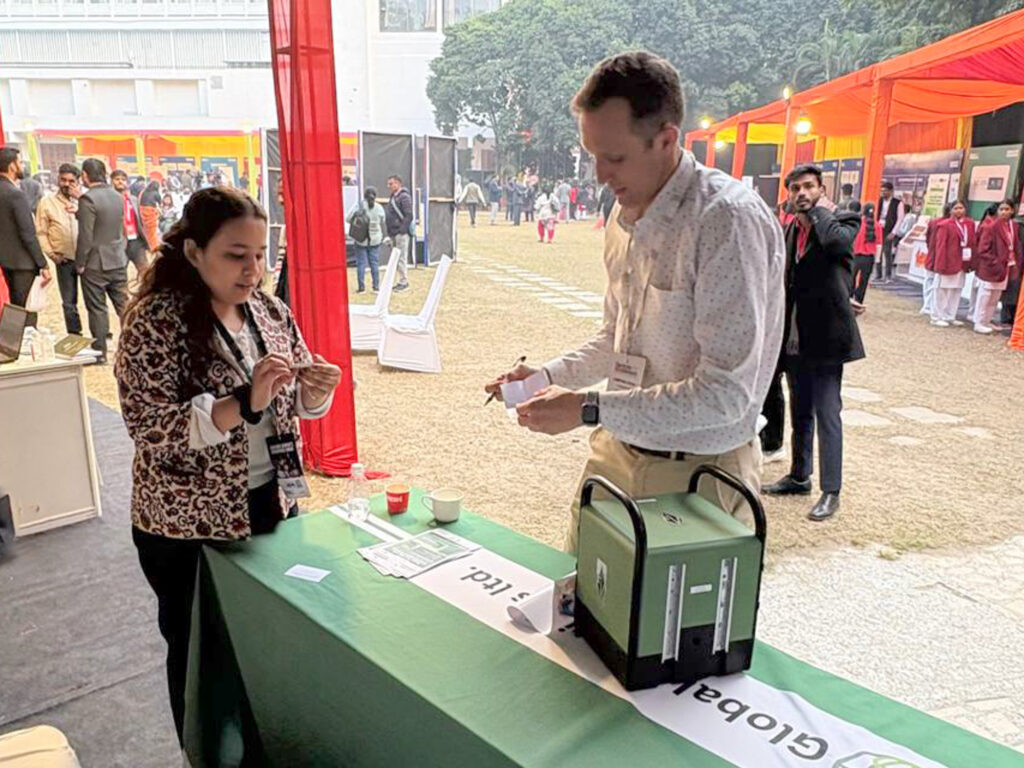
From Kathmandu, that practical progress was then taken into India through Sankalp Bharat 2025 in Lucknow, where discussions moved from factory systems to the commercial and institutional pathways that enable rollout.
Meetings with the British High Commission explored how policy, trade, and city decarbonisation strategies could help support modular battery systems and EV rickshaws at scale, while engagement with Intellecap focused on delivery models, local manufacturing hubs, and EV rickshaw operating hubs that are investable, repeatable, and locally owned.
Wider conversations with organisations such as TERI helped position GANESHA within the broader clean-energy and mobility ecosystem, ensuring the project remains aligned with regional priorities and on-the-ground needs.
What this trip demonstrated is that GANESHA is advancing beyond a pilot technology. It is developing as a joined-up delivery model, one that brings together robust hardware, local implementation capability, monitoring and repair systems, and the stakeholder relationships required to support investment and scale.
That combination is what turns technical progress into market readiness and is central to the project’s long-term ambition in Nepal, India, and beyond.
Read more: What It Takes to Keep EV Rickshaws Moving
Development of the battery components is progressing, marking another important step in GANESHA’s delivery pathway.
The team is planning a further visit to Kathmandu in May 2026, with additional updates to be shared as the next phase advances.
May 2026: A Milestone for Clean Mobility in Nepal
In May 2026, the GANESHA team returned to Nepal for a focused programme of technical review, stakeholder engagement and in-country demonstration.
The visit brought together the partners now central to the project’s next stage, from local delivery teams and community representatives to development organisations, transport operators and British Embassy representatives.
In Kathmandu, a major project milestone was reached as the demonstrator vehicle operated on the GANESHA battery system and completed its first test run through the city streets, moving the project closer to practical use in Nepal.
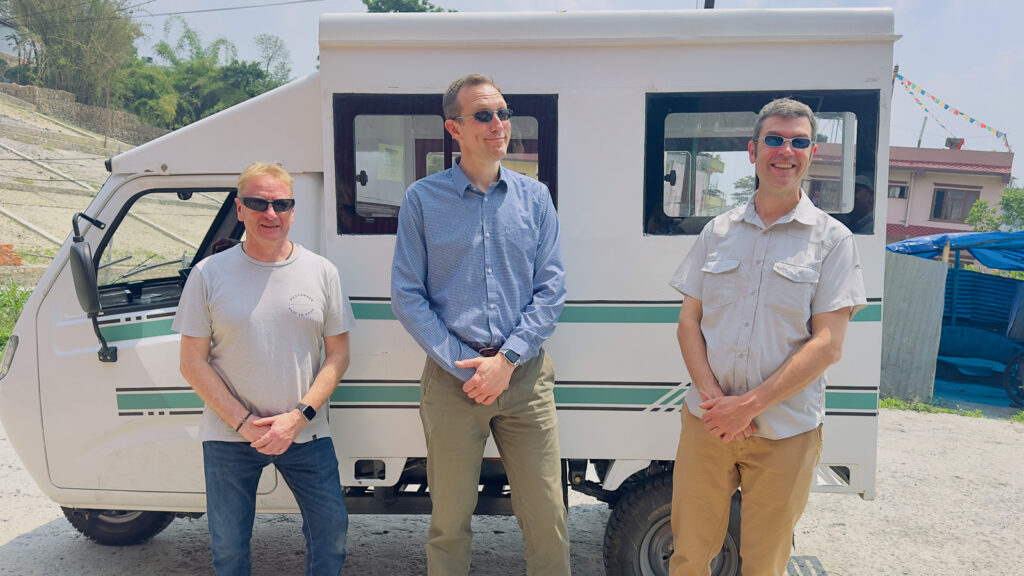
Demonstrator vehicle in field testing as GANESHA advances towards real-world clean mobility delivery in Nepal.
NEVI Meeting
At NEVI’s facility in Chapali, the team reviewed the local assembly environment and saw the battery assembly process first-hand.
The visit reinforced one of GANESHA’s central delivery principles: long-term success in Nepal depends on capability being built locally. Assembly, maintenance, repair knowledge and operational readiness all need to sit close to the system as it moves from demonstration towards wider use.
NEVI’s role is therefore critical to the project’s next stage, connecting the battery and vehicle technology with the technical skills and local support needed to make the model practical, scalable and sustainable in Nepal.
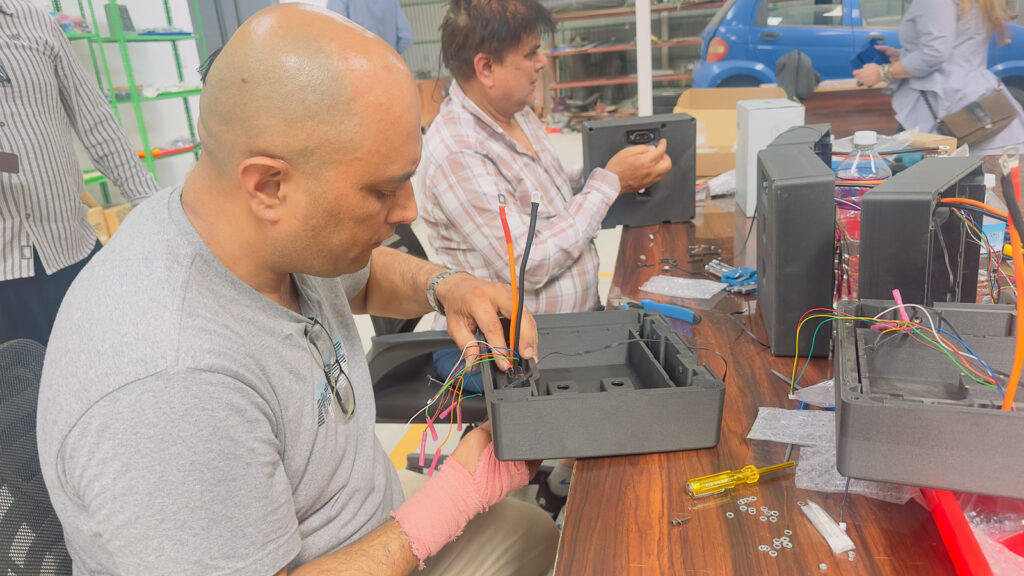
Local battery assembly in progress, supporting GANESHA’s move from technical development towards practical clean mobility delivery in Nepal.
Benighat Rorang Municipality Meeting
The meeting with Benighat Rorang Municipality centred on Pilot Site 1 and the practical route towards launch.
Krishna Bahadur Thapaliya, Chairperson of Benighat Rorang Municipality, confirmed support for the project as the Safa tempo prepares to begin operating on the Pilot Site 1 route.
Discussion focused on the coordination needed before launch, including engagement with local clubs and the public vehicle transport association, alongside the permits, administration and promotional activity needed to support local introduction.
For GANESHA, this meeting helped move the project closer to live community deployment, aligning the technology with the local structures that will be essential to its success.
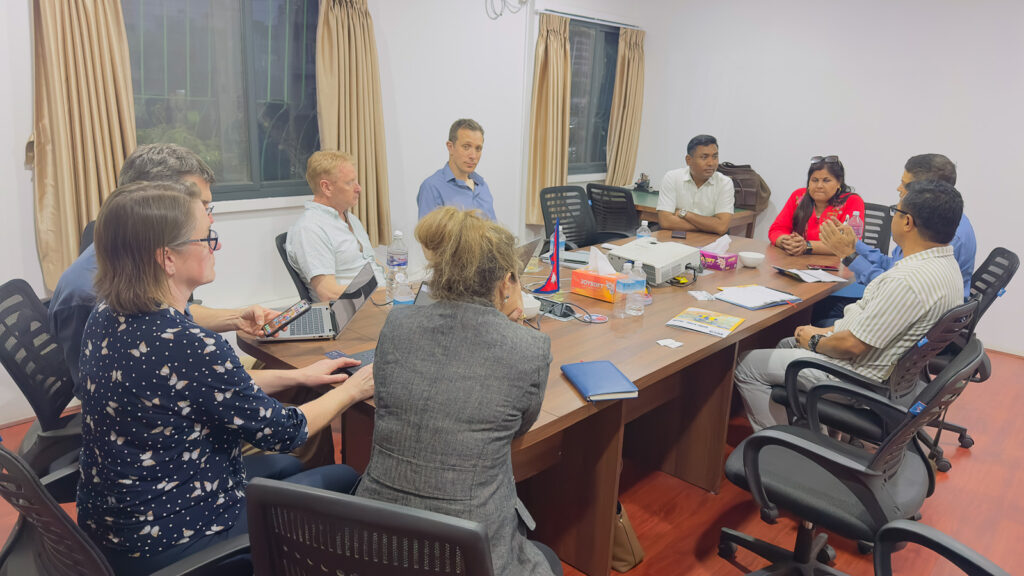
Route coordination and municipal support ahead of Safa tempo operation at Pilot Site 1.
The Three Sisters Group
The meeting with The Three Sisters Group brought forward detailed community evidence from both pilot site areas.
Their work included interviews with 300 residents across the pilot communities, including Tharu and Chepang communities in and around the Bardia buffer zone and Dhading.
This evidence is helping shape the needs assessment framework as a living document, rather than a fixed one-off exercise. It strengthens the project’s understanding of how people travel, access services, use energy and make decisions in daily life.
For GANESHA, this community insight is essential to ensuring the system develops around real use, local priorities and the practical conditions that will influence long-term adoption.
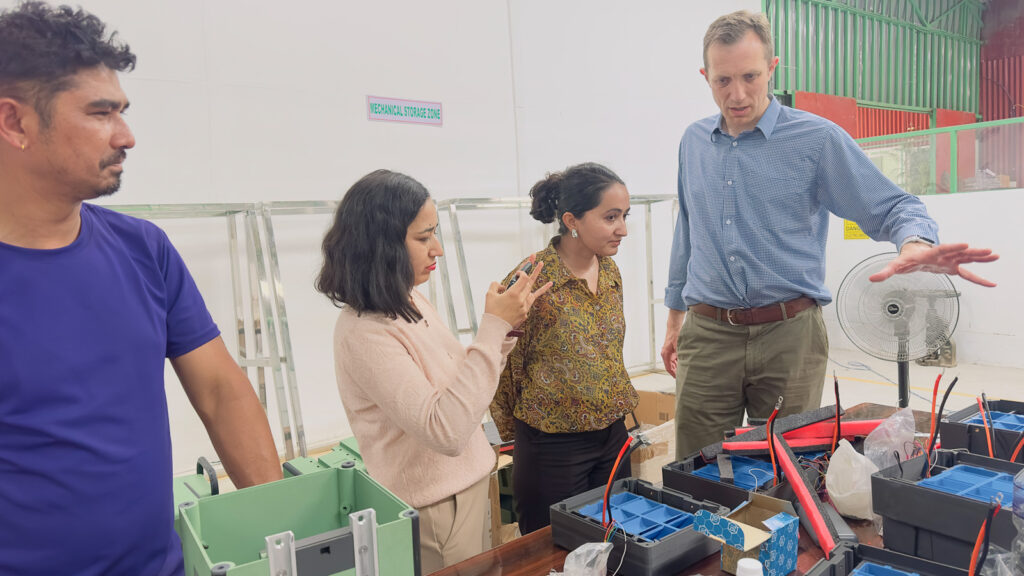
Reviewing GANESHA battery components alongside the community evidence shaping pilot-site delivery.
Practical Action in Asia
The meeting with Practical Action in Asia added important development-sector perspective to GANESHA’s next stage.
With long-standing experience in Nepal across clean energy, climate resilience, inclusive economic development and community-led delivery, Practical Action provided valuable context for how the project can continue to develop beyond technical demonstration.
Discussion focused on the importance of research, risk awareness, participatory approaches, GEDSI, needs assessment tools and the inclusion of voices often missed in conventional project design.
This engagement strengthens the evidence base around GANESHA as a clean mobility model shaped by practical delivery, inclusive insight and local context.
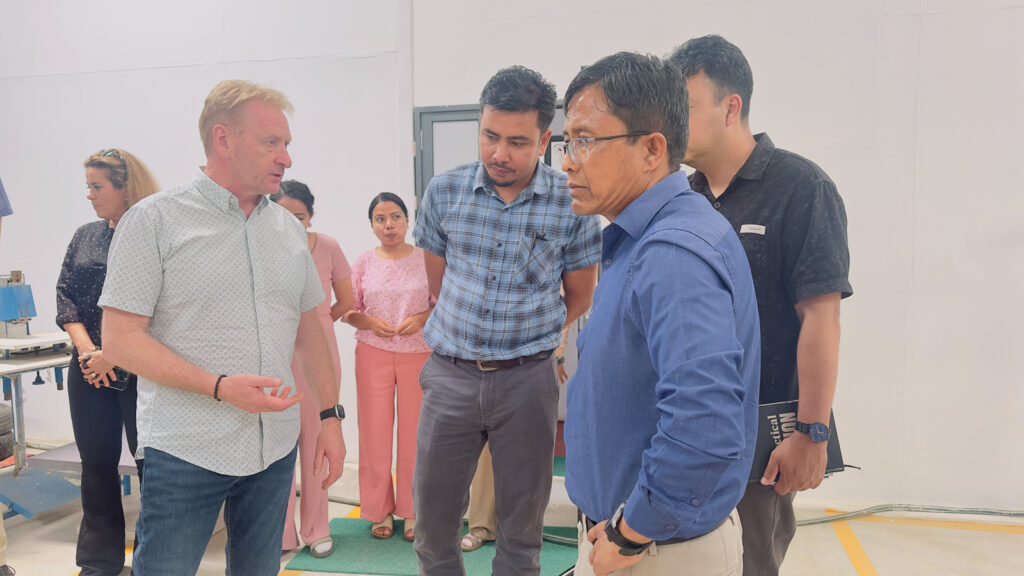
Connecting GANESHA’s battery technology with development insight, delivery planning and future scale in Nepal.
British Embassy, Kathmandu
Representatives from the British Embassy in Kathmandu visited NEVI’s facility in Chapali, where they saw the battery assembly process first-hand.
Anup Shrestha, Head of Business and Trade, and Resha Piya, Infrastructure Advisor, joined discussions covering Nepal’s clean energy landscape, electric vehicle adoption, the swappable battery model and the potential for second-life battery use after vehicle operation.
The visit created an important opportunity to share GANESHA’s progress as UK-supported innovation moves into practical demonstration in Nepal, strengthening the project’s connection to clean growth, international development and UK-Nepal collaboration.
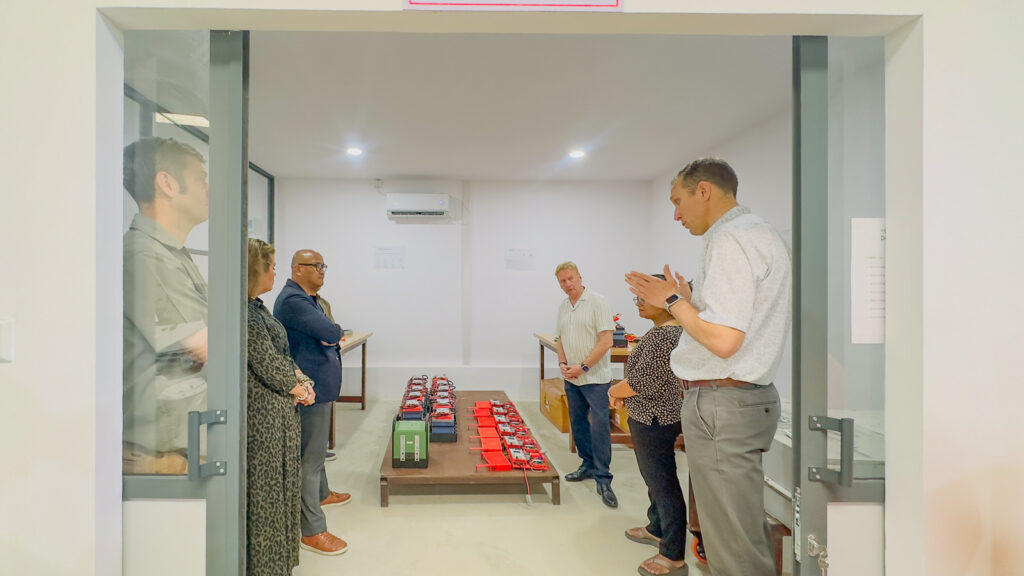
Sharing GANESHA’s battery system progress as UK-supported clean mobility innovation advances in Nepal.
Sajha Yatayat Meeting
The meeting with Sajha Yatayat connected GANESHA with one of Nepal’s leading public transport organisations.
Janak Risal, Assistant Manager at Sajha Yatayat, brought valuable operational insight from the electric bus sector and the wider public transport landscape in Kathmandu.
Discussion focused on how electric mobility is developing in the city, how regulation and route planning influence deployment, and why engagement with transport operators is essential as GANESHA moves towards wider commercial planning.
This meeting added important operational context to the project’s next stage, linking the demonstrator work with the practical realities of clean transport delivery in Nepal.
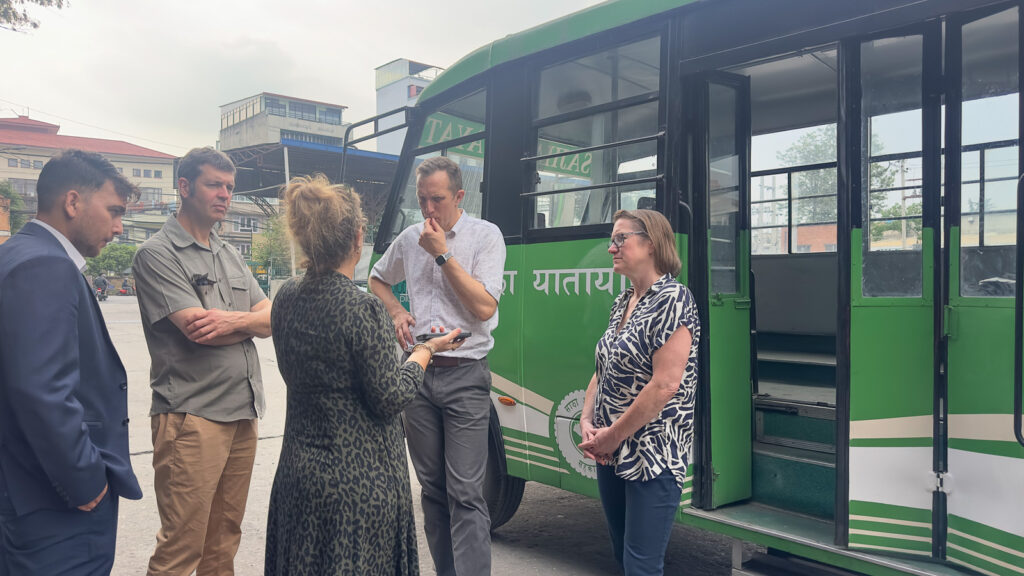
Public transport insight supporting GANESHA’s route planning and future clean mobility deployment in Nepal.
With the demonstrator vehicle tested, stakeholder engagement strengthened and the next stage of delivery taking shape, the progress made in May now leads into the next phase of GANESHA’s delivery pathway.
UK Pilot Site: From Field Progress to Live Monitoring
Following the May 2026 visit to Nepal, GANESHA’s delivery pathway moved into its next stage: live monitoring at the UK Pilot Site.
The Polaris unit and Terminus battery charger were collected from PAK engineering, and installed on site, where the system is now live and collecting real-time operational data.
This stage lets the team monitor system performance, review charging behaviour, assess reliability and gather the operational evidence needed to support future deployment.
The UK Pilot Site gives GANESHA a controlled environment to understand how the technology performs over time, strengthening the evidence base as the project moves towards it next phase and beyond.
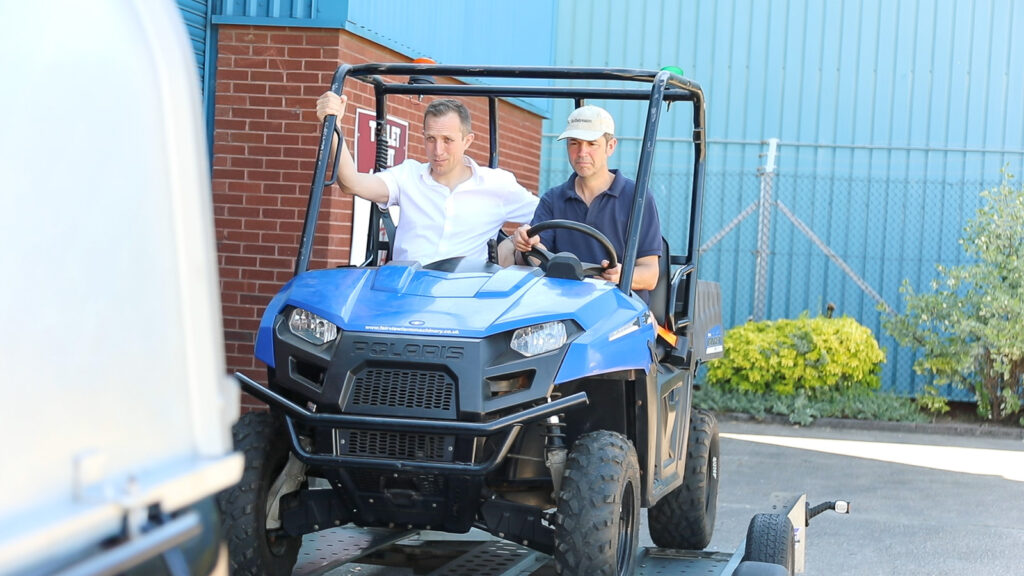
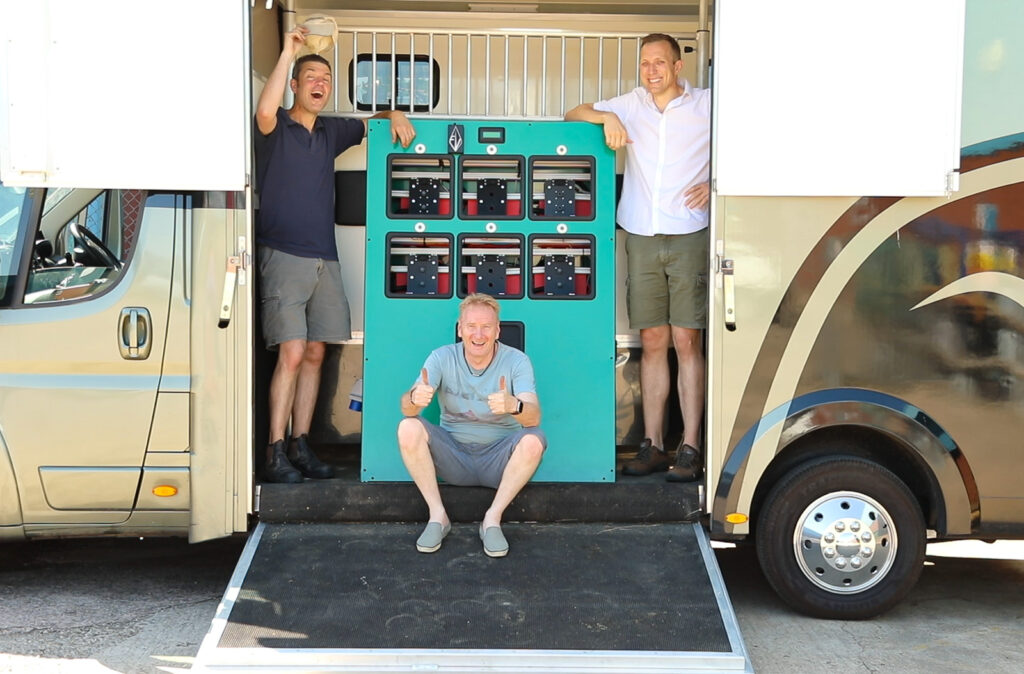
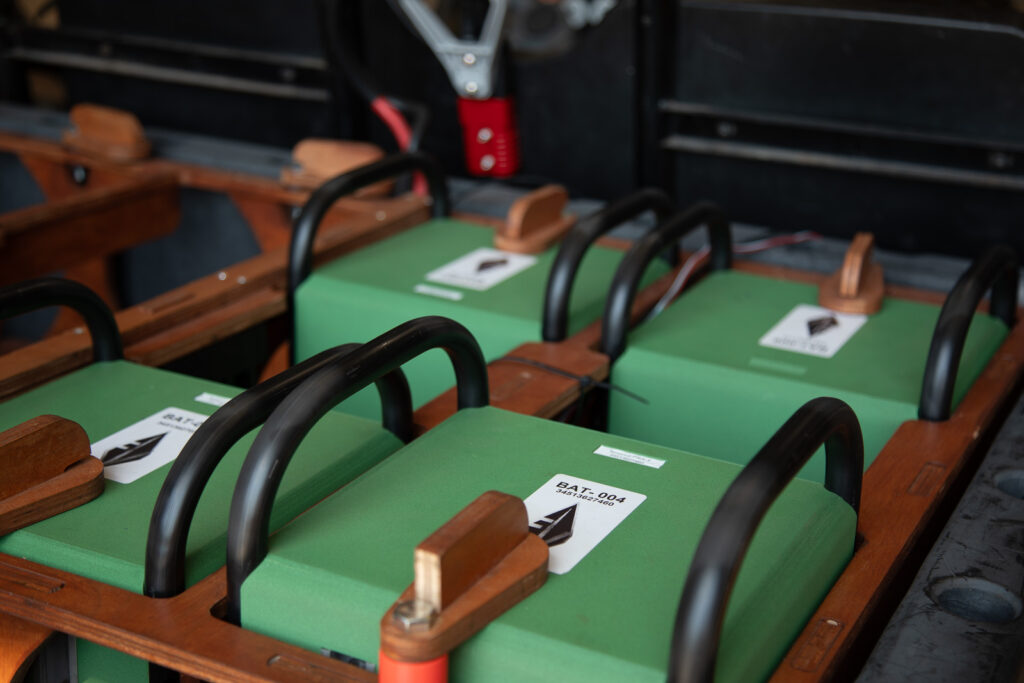
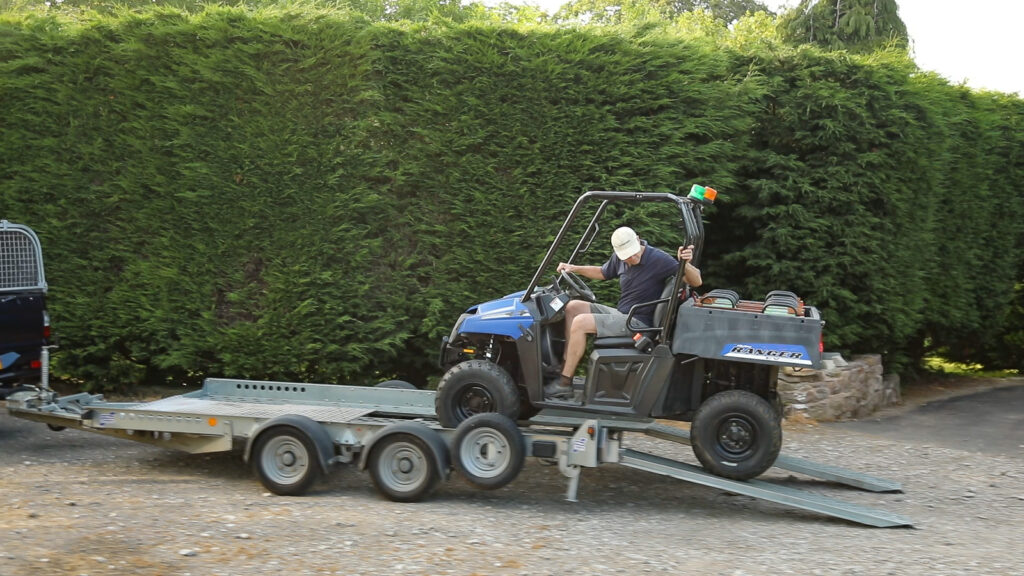
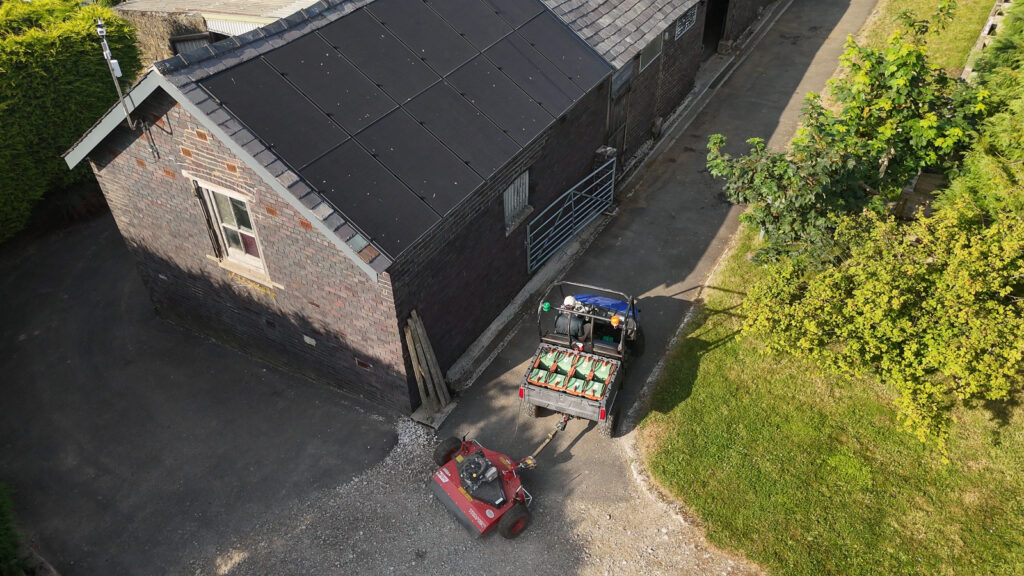
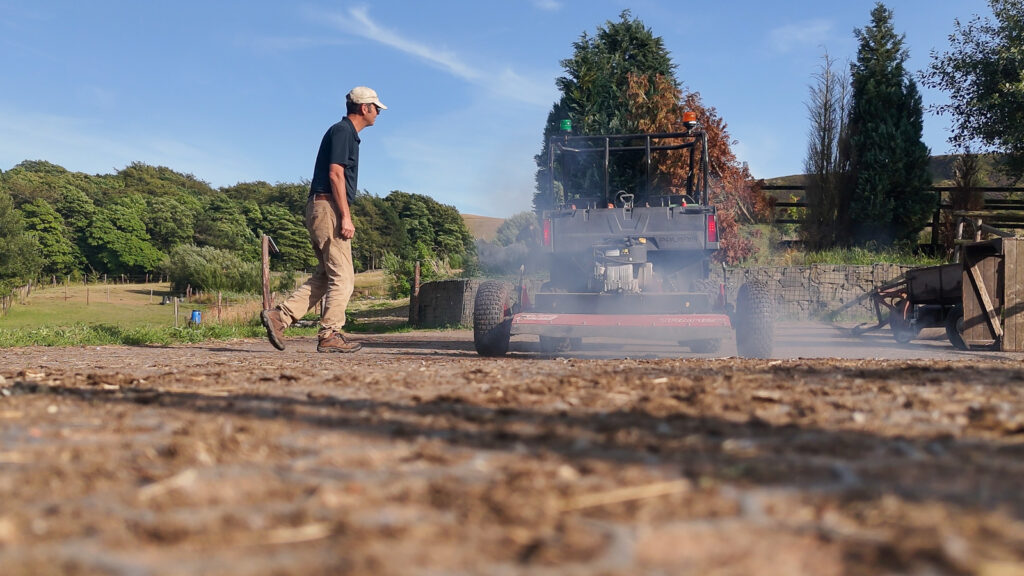
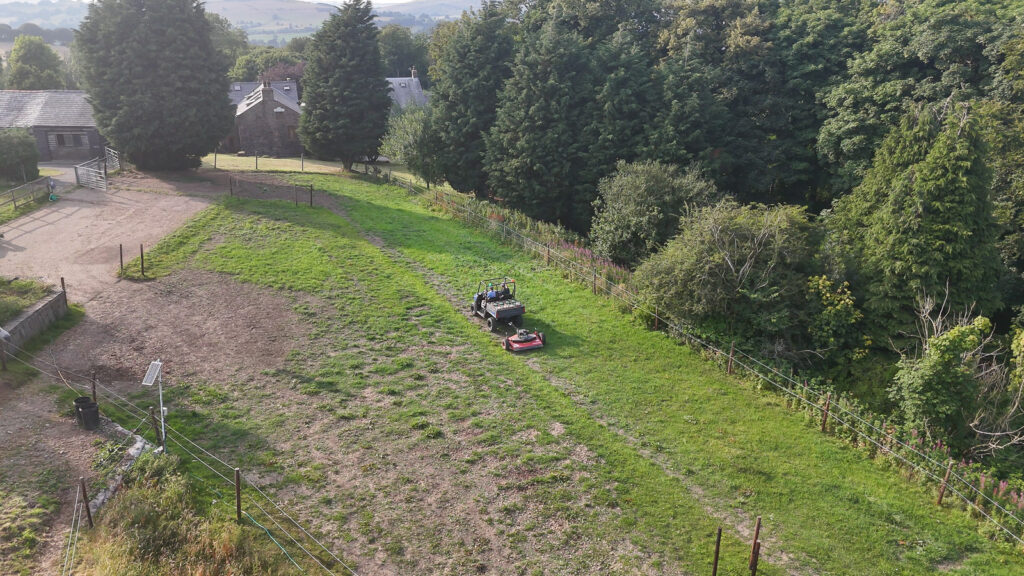
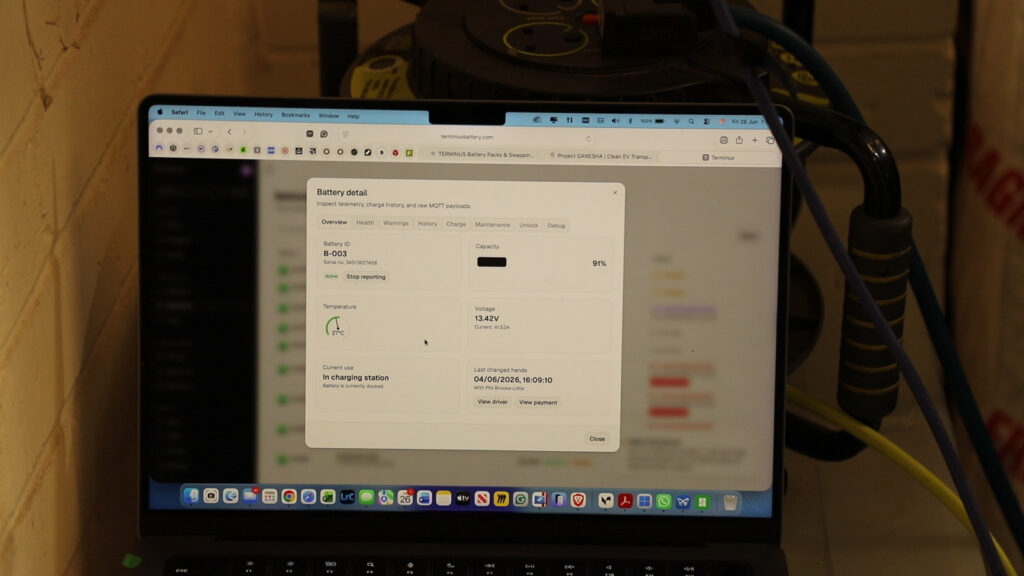
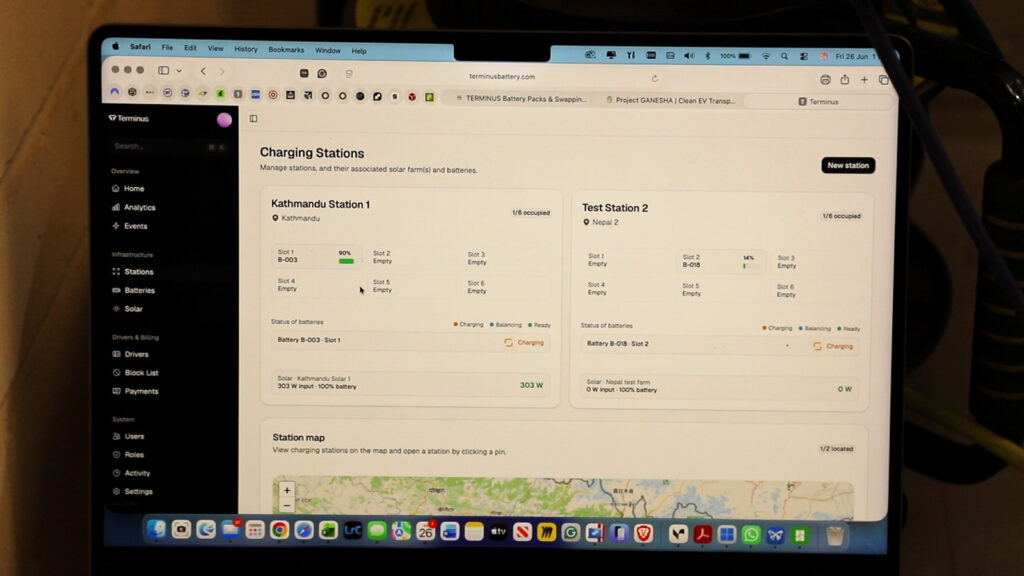

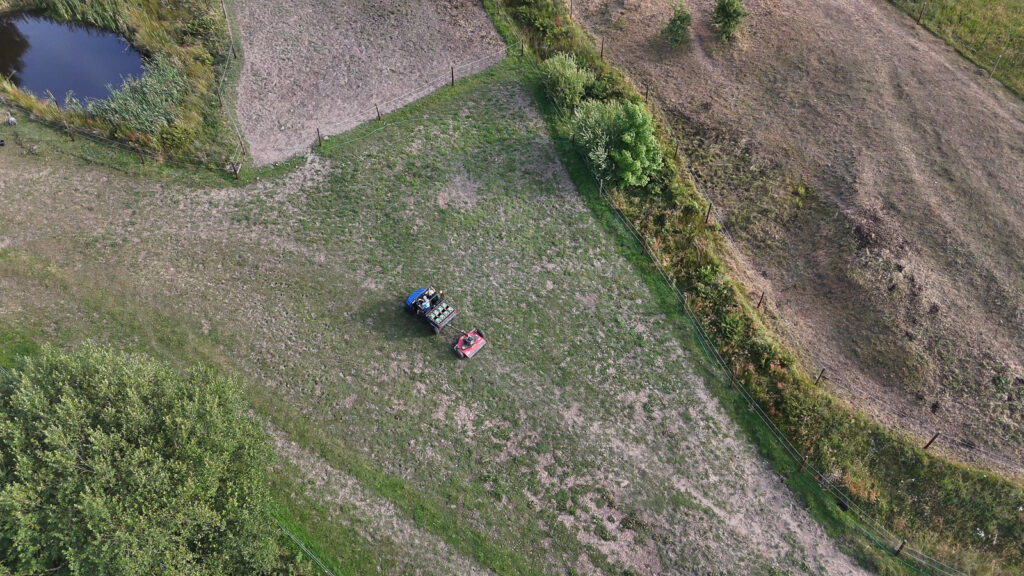
Collection, installation and field testing of the Polaris unit and Terminus battery charger, now live on site and collecting real-time operational data.
Battery Lifecycle Monitoring
With the UK Pilot Site now live, we are putting the battery systems through repeated charge and discharge cycles to gather the real-world data we need on performance over time.
That data is feeding directly into our AI modelling, helping us understand battery behaviour, degradation and State of Health, and build a clearer picture of remaining useful life.
The next step is to use that knowledge to improve how the batteries are charged, discharged and managed in operation, with the aim of extending useful battery life and getting more value from every battery.
The UK Pilot is giving us the evidence we need to keep developing, testing and validating the system under real operating conditions, taking the technology another step closer to wider deployment.